Does “ski-in/ski-out” mean you can click in at your door in Snowmass, or is there a walk across a plaza hiding in the fine print? If you are weighing a luxury condo or residence in Snowmass Village, the difference can change your daily routine and your rental performance. In this guide, you will learn what the term really means here, how to verify it during a showing, and which HOA services matter most in winter. Let’s dive in.
What ski-in/ski-out means here
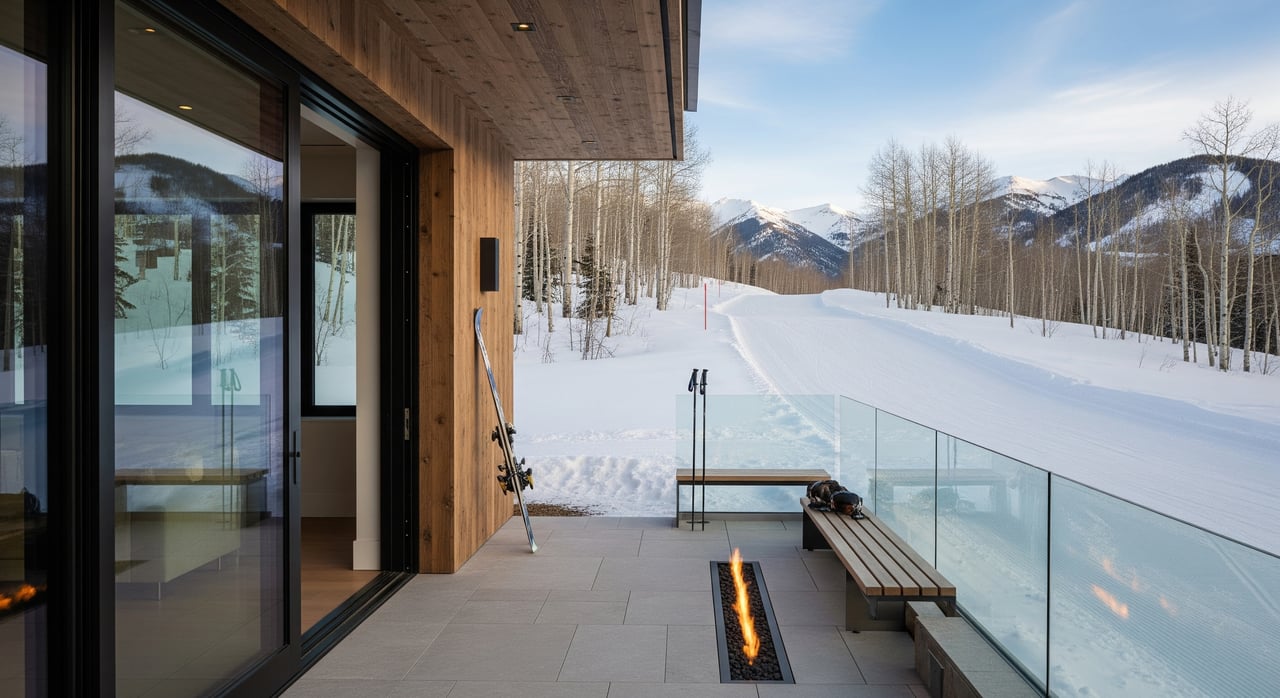
In Snowmass Village, “ski-in/ski-out” is a marketing phrase, not a legal standard. Practically, it describes properties where you can step out, clip in, and reach skiable terrain without a vehicle or public road, and ski back directly to the building entrance at day’s end.
Common labels explained
- Ski-in/ski-out (true): Direct skiing to and from a building or immediately adjacent groomed skiway. No crossing of roads or parking lots and no shuttle required.
- Ski-back: You can ski to the property on return, but getting to the lift may involve an uphill shuffle, short walk, stairs, or a connector. Convenience is uneven between morning and afternoon.
- Slope-side or slope-adjacent: The building sits along ski terrain or a marked skiway, yet you may need to walk across a plaza, use stairs, or traverse a groomed path. Some listings call this ski-in/ski-out, but many buyers do not.
- Shuttle-access or walk-to-lift: Close to lifts but requires a shuttle or a street/plaza walk. Not ski-in/ski-out.
The key is to verify the physical route. Recorded easements, skiway agreements, and maintenance responsibilities matter more than listing language.
How Snowmass layout affects access
Snowmass has several access nodes and a range of terrain. Your exact unit location within a building can change the experience.
Base Village and Village Express
Snowmass Base Village and the Village Express loading area are the highest traffic access points. Residences that open to a groomed skiway, plaza with ski access, or the Village Express loading area are most likely to deliver true ski-in/ski-out as buyers use the term.
Elk Camp area and mid-mountain skiways
The Elk Camp Gondola is a major hub that connects skiers to mid-mountain terrain. Properties near the Elk Camp base and designated mid-mountain skiways often advertise ski access, but you should confirm that the route from your door is groomed, signed, and maintained throughout storms and overnight periods.
Operational factors that change access
Grooming schedules, snowmaking, and early or late season coverage can shift practical access even for buildings near runs. Lift hours and maintenance days also matter, especially for families and rental guests who plan around school holidays and weekends.
Quick tests during a showing
Bring your boots and use these simple tests to confirm what you are buying.
- Test 1 — Door-to-snow time: Leave the unit and reach a groomed run or marked skiway. True ski-in/ski-out should take seconds to a few minutes with no shuttle or road crossing.
- Test 2 — Return route reality: At day’s end, ski back. Note any uphill shuffling, required stairs, plaza crossings, or a shuttle ride. If you cannot reasonably ski back to the entrance, you are likely looking at ski-back or slope-adjacent.
- Test 3 — Obstructions check: Look for stairs, locked gates, snow berms, or doors that interrupt a continuous ski route.
- Test 4 — Grooming and signage: Confirm that the path is groomed and marked as a skiway, and check for resort fencing or “no ski” signs that might limit use.
- Test 5 — Safety cues: Observe any closures or mitigation work that could block routes near the property.
Documents to request before you write an offer
Paperwork protects your access. Ask for these items and have them reviewed during due diligence.
- Recorded plat or survey: Confirms property lines, finished grades, and exact proximity to resort terrain or skiways.
- Title report and easements: Look for recorded skiway or public access easements that formalize the route you plan to use.
- HOA CC&Rs and rules: Identify who controls skiway access, exterior storage rules, and any restrictions on using stairways or gates.
- Resort correspondence: Ask for any written agreements or memos that address grooming or skiway maintenance next to the building.
- Operations history: If available, review grooming logs or lift operations history to gauge access reliability during the full season.
Questions to ask the listing side and HOA
Ask direct, operational questions and listen for precise answers.
- What is the exact path from the door to the nearest lift, and who maintains it?
- Are there times when the path is gated, unmaintained, or impassable?
- Who removes snow and grooms the route — the resort, the village, or the HOA?
- Is the return route downhill, a flat traverse, or a walk or shuttle?
- Are there recorded easements that guarantee ski access each season?
- Does the HOA offer ski valet, storage, or shuttle services, and what are the hours and costs?
- Are there rental restrictions, nightly minimums, or deed limits that affect use?
Red flags to watch
You can avoid surprises by noting these risk markers early.
- Listing claims that are not backed by surveys, easements, or consistent physical access.
- Routes that cross parking areas, vehicle lanes, or require long uphill traverses.
- HOA rules that lock exterior access or gates during certain hours.
- Seasonal closures, snowmaking changes, or early and late season gaps that make direct access unreliable.
Value, pricing, and rental implications
True ski-in/ski-out usually commands a demand premium because it removes friction for families and gear-heavy days. Liquidity can be stronger and peak-season rental rates and occupancy often improve when access is reliable. The exact premium varies by building, micro-location, size, and finish level. Use local comparables that offer the same level of access and avoid relying on marketing labels alone.
Operating costs can be higher for buildings close to ski operations. HOAs may fund valet services, grooming, and shuttles, which can lift fees. In your underwriting, weigh these services against the convenience and rental upside they create.
For short-term rental buyers, document historic performance and guest feedback tied to access. If your marketing promises ski-in/ski-out, make sure recorded easements and daily operations support that claim through the full winter.
HOA and service features that matter
Some services can elevate the experience even if a unit is not perfectly situated on a run.
- Ski valet and storage: Reduces the need to carry gear through corridors or plazas. This can close the convenience gap for slope-adjacent units.
- Shuttle service: Reliable, frequent village shuttles reduce the penalty of being off the snow. Confirm winter schedules and holiday frequency.
- Snow removal and grooming: Clarify who pays and who performs. Review budgets and minutes for grooming, snow hauling, and any special assessments.
- On-site rental programs: Understand revenue share, blackout dates, owner usage rights, and whether the program markets the building as ski-in/ski-out.
Practical tips for your next tour
Use this quick plan during normal resort hours for a clear picture.
- Time the door-to-snow and return-to-door routes for your actual unit, not a model unit.
- Test access during or right after a storm to see how snow removal and grooming perform.
- Verify lift hours and typical maintenance days for Village Express and Elk Camp.
- Photograph the route, gates, stairways, and signage for your records.
- Build an apples-to-apples comp set using only properties with the same level of access.
Ready to evaluate a specific address?
If you want a clear, documented read on true ski-in/ski-out access in Snowmass Village, request a private walkthrough with route testing and a document review tailored to your goals. For discreet, principal-led guidance backed by deep local knowledge, contact Stephanie Lewis. Book a private consultation.
FAQs
What is true ski-in/ski-out in Snowmass Village?
- A property where you can step out and reach groomed skiable terrain without crossing roads or using a shuttle, and ski back directly to the entrance.
How do Base Village and Village Express influence access?
- Residences opening to a groomed skiway or plaza that feeds the Village Express are most likely to deliver the convenience buyers expect from ski-in/ski-out.
Is the Elk Camp Gondola area considered ski-in/ski-out?
- Many nearby properties advertise access via designated skiways, but you should confirm a groomed, signed route from your specific door and check operations hours.
What documents confirm ski access rights?
- Request the recorded plat or survey, title report with easements, HOA CC&Rs and rules, and any resort correspondence about grooming or skiway maintenance.
How does ski-in/ski-out status affect rentals?
- Reliable, demonstrable access often supports stronger peak-season occupancy and rates, but results vary by building and services, so verify history and HOA rules.
What if a listing requires a shuttle or a street crossing?
- That is not ski-in/ski-out; it is shuttle-access or walk-to-lift and should be priced and compared with similar non-ski-in/ski-out properties.
Can early or late season conditions change access?
- Yes, snow coverage, grooming, and lift schedules can limit routes outside peak months, so test during operating hours and review maintenance practices.