Trying to decide between Aspen and Snowmass Village for your mountain home? Both sit within the same world-class resort system, yet the day-to-day experience and price dynamics feel very different once you are on the ground. You want clear answers on access, lifestyle, and how far your budget goes without getting lost in hype. This guide lays out the practical differences so you can choose a home that matches how you live and invest. Let’s dive in.
Two towns, two distinct experiences
Aspen and Snowmass Village share the Aspen Snowmass resort system and the same airport access via ASE, but they deliver different rhythms, real estate options, and long-term value stories.
- Aspen is a historic, compact mountain town that serves as the cultural and commercial center. Inventory is limited, and premier properties often command higher price points due to scarcity and prestige.
- Snowmass Village is a purpose-built resort village with extensive base-area development. You see more ski-in/ski-out residences and a larger share of condos and townhomes, often at lower entry points than the Aspen core.
Lifestyle and access differences
Ski access and mountain feel
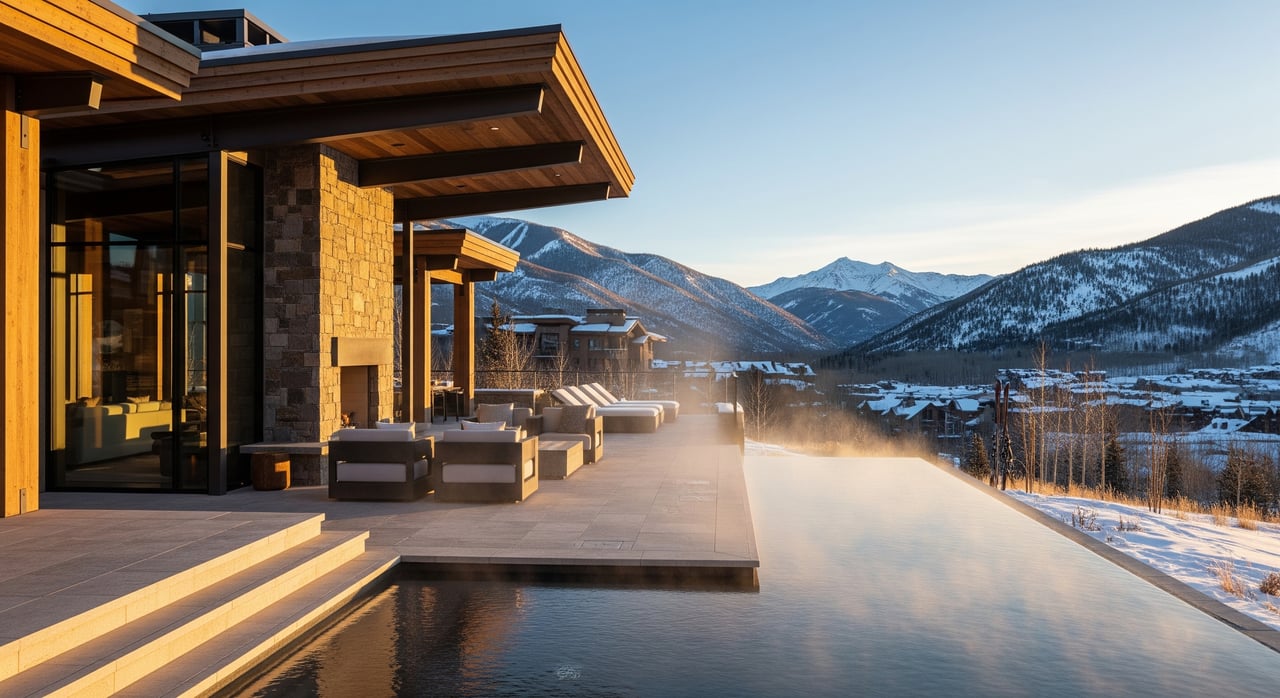
Snowmass Village gives you immediate slope access from many residences. The village layout and trail network are designed for convenient, start-from-home skiing and riding, including terrain parks and bike park access in warmer months. If seamless ski-in/ski-out is a top priority, Snowmass offers more options across several product tiers.
Aspen places you steps from Aspen Mountain’s gondola and the heart of downtown. You enjoy short uphill access and advanced terrain at Ajax, with Highlands and Buttermilk nearby. True ski-in/ski-out is limited within Aspen’s historic core, so buyers often balance a walkable town lifestyle with a short commute to other mountains.
Culture, dining, and retail
Aspen’s cultural calendar is nationally recognized, with music, film, and literary programming, plus luxury shopping and fine dining in a lively, year-round scene. If you value arts and a cosmopolitan feel in a compact mountain setting, Aspen stands out.
Snowmass Village centers on resort programming and outdoor events, with village-scale dining and retail. The atmosphere skews to recreation and festivals in the base area, with easy access to family-friendly activities and trail systems.
Privacy and neighborhood character
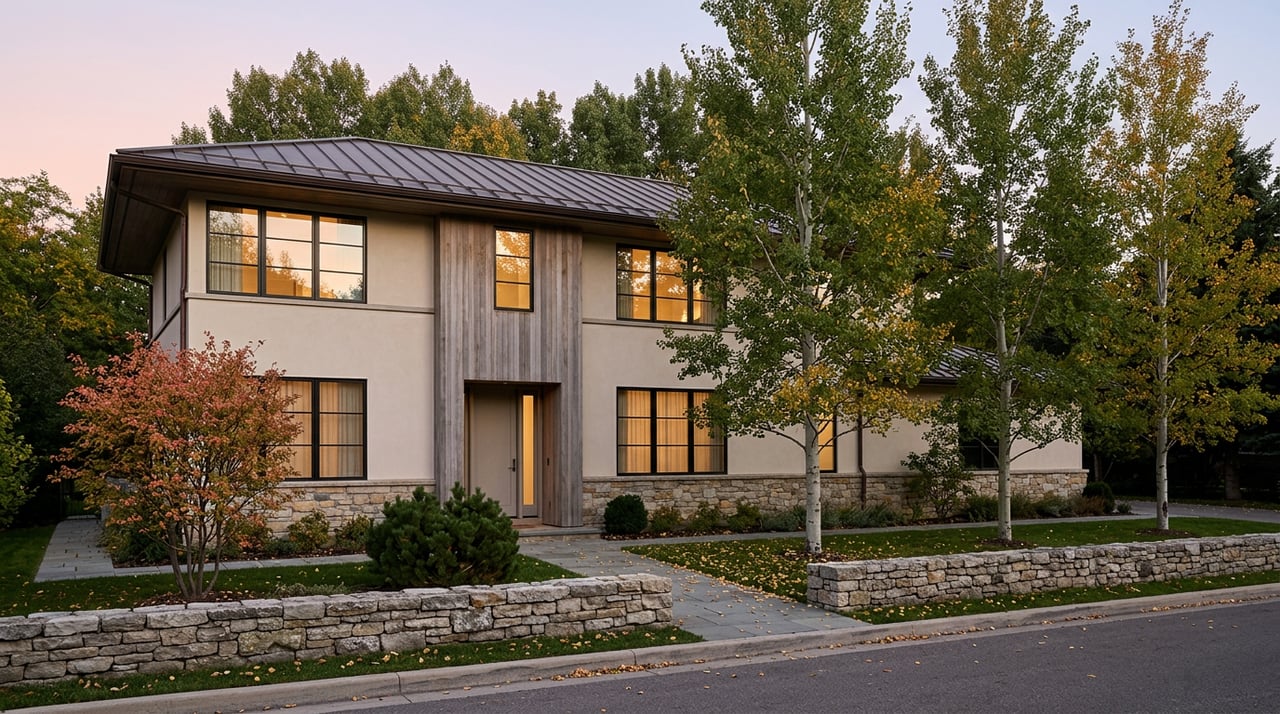
Aspen blends walkable historic neighborhoods, such as the West End, with hillside estates like those found on Red Mountain and secluded properties on the town’s perimeter. Large-lot opportunities within town are limited, so privacy often comes from the right location choice at the edge of town or up the valley.
Snowmass Village features planned communities, resort-managed complexes, and single-family enclaves set with more space between homes in many areas. If you seek a quiet base close to the lifts, Snowmass offers appealing separation from Aspen’s downtown energy.
Year-round recreation
Both towns deliver strong four-season lifestyles with hiking, biking, and festivals. Snowmass emphasizes the bike park, trail networks, and mountain events. Aspen pairs outdoor access with an established summer arts and culture season that keeps the town active year-round.
Housing and pricing on the ground
Aspen product mix
- Historic single-family homes in classic neighborhoods, including Victorian-era residences.
- Architectural estates on hillsides and in discreet enclaves.
- A smaller pipeline of new condo product and select branded-residence offerings.
- A high share of properties held by primary and second-home owners with ultra-high-net-worth profiles.
Snowmass Village product mix
- A high proportion of condos and townhomes, especially in base-area and ski-in/ski-out buildings.
- Purpose-built resort residences with on-site amenities such as restaurants, retail, and hotel-style services.
- Single-family homes farther from the village core.
Pricing dynamics in plain terms
- Aspen generally carries higher prices per square foot and higher medians across property types. Limited developable land, global brand appeal, and a concentration of wealthy primary and second-home owners support those premiums.
- Snowmass Village typically offers lower entry points and more for-sale condo inventory, which broadens options for buyers who want slope-side living without Aspen’s pricing in the core.
- At the top end, Aspen’s trophy properties with proximity to downtown or exceptional privacy remain the highest tier of the market.
Ownership and operations
- Many Snowmass condo properties operate with resort or hotel-style management, often with optional rental programs. HOA structures are common and services are typically bundled.
- In Aspen, ownership models vary. You will find a mix of single-family homes, small HOAs, and select full-service residences with different fee structures and services.
- Short-term rental potential exists in both markets, but licensing rules, caps, and taxes differ by jurisdiction and can change. Always confirm current town and county ordinances before assuming rental income.
Long-term value and risks
Value drivers to watch
- Scarcity supports Aspen’s resilience. Limited land and highly sought-after neighborhoods underpin pricing over time.
- Brand and cultural capital matter. Aspen’s international reputation and year-round cultural calendar sustain global demand.
- Resort infrastructure adds value in both towns. Base-area investments in Snowmass and overall lift and transit upgrades can enhance desirability and usability.
- A diversified buyer base across primary users and second-home owners supports demand through different cycles.
Headwinds and how they affect use
- Regulation can affect returns and flexibility. Zoning, affordable housing requirements, transfer taxes, and STR rules evolve. Verify specifics early in your process.
- Environmental risk is real in mountain markets. Wildfire exposure, snowpack variability, and drought trends influence insurance and long-term desirability.
- Liquidity varies by product type. Ultra-luxury trophy homes can have longer marketing times. Snowmass condos may transact more frequently, offering different exit dynamics.
Aspen vs. Snowmass on long-term hold
- Aspen typically shows stronger appreciation in the top tier, driven by scarcity and prestige. It suits buyers who prioritize cultural cachet and holding a trophy asset.
- Snowmass may offer steadier cash-flow potential in condo segments, depending on STR rules, and can present attractive entry valuations if ski-in/ski-out living is your priority.
Choose by priority: a quick guide
- If you want true ski-in/ski-out convenience: Snowmass Village offers the broadest set of options across condo and townhome buildings, plus purpose-built residences with services.
- If you want culture and walkability: Aspen places you within a compact downtown near Aspen Mountain, dining, shopping, and a robust year-round events calendar.
- If you want privacy and space: Both markets offer it, but the feel differs. Aspen provides discreet hillside estates and historic neighborhoods near town, while Snowmass offers planned communities with more separation from the urban core.
- If rental flexibility matters: Snowmass resort condos often come with established management and optional rental programs. In either town, confirm current STR rules and taxes before you underwrite income.
Buyer checklist for Aspen and Snowmass
Use this checklist to structure your due diligence.
Market due diligence
- Pull recent sales comps for your target neighborhood and product type from the Aspen Board of REALTORS and Pitkin County records.
- Review local brokerage market reports for days on market, inventory trends, and medians by class.
- Ask about the pipeline of new or planned projects, including Snowmass Base Village components and any Aspen-area developments.
Regulatory and operational checks
- Confirm current STR licensing rules, caps, and taxation for Pitkin County and the Towns of Aspen and Snowmass Village.
- Verify any deed restrictions or affordable-housing covenants attached to a property.
- Review HOA documents, resort management agreements, rental program terms, and fee structures.
Site and physical risk assessments
- Request a wildfire risk assessment and review any relevant flood, slope, or debris flow studies.
- Evaluate building age, recent renovations, and hardening measures such as roofing and defensible space that may affect insurance.
Lifestyle fit questions
- How important is literal ski-in/ski-out access versus a short drive or walk to the lifts?
- Do you want a downtown lifestyle with cultural programming, or a quieter base with easy trail access?
- Will you use the property as a primary home, a second home, or a rental asset?
- What amenities are essential for your household, such as concierge, spa, pool, or private garage?
Financial and tax considerations
- Confirm local transfer taxes and property tax rates with the Pitkin County Assessor.
- Obtain insurance quotes that reflect mountain exposures.
- Discuss state and federal tax implications for second-home ownership and rental income with a qualified CPA.
What this means for your search
Your best choice comes down to how you want to live. If you picture mornings that start on the slopes from your front door, focus on Snowmass Village’s ski-in/ski-out buildings and resort residences. If you want to walk to the gondola for Ajax, then step out for a concert and dinner, Aspen’s core and nearby neighborhoods deliver that blend of culture and access. Both markets can serve long-term goals. The key is aligning your property type, ownership model, and location with your lifestyle and investment plan.
When you are ready to refine your search, work with a principal-led advisor who can curate on- and off-market options and navigate evolving rules across jurisdictions. For discreet guidance and private showings, connect with Stephanie Lewis.
FAQs
What are the main lifestyle differences between Aspen and Snowmass Village?
- Aspen centers on a walkable downtown with a strong cultural calendar and luxury retail, while Snowmass Village focuses on resort programming, immediate slope access, and base-area amenities.
Which area has more ski-in/ski-out homes and condos?
- Snowmass Village offers a larger share of true ski-in/ski-out inventory across multiple condo and townhome buildings, plus purpose-built residences with services near the lifts.
How do condo HOAs and services compare between the towns?
- Snowmass resort properties often feature hotel-style management and optional rental programs with bundled services, while Aspen HOAs and services vary widely by building and property type.
Which market typically commands higher price points?
- Aspen generally carries higher prices per square foot and higher medians due to limited developable land, global prestige, and concentrated demand from high-net-worth buyers.
Is one market better for rental income potential?
- Snowmass condos can offer more straightforward rental operations through resort programs, but outcomes depend on current short-term rental rules and the specifics of each building.
Where will I find more privacy?
- Aspen offers hillside estates and secluded properties on the town’s perimeter, while Snowmass provides planned communities and single-family enclaves that create more distance from the urban core.
What risks should I evaluate before buying in either market?
- Review regulatory changes, wildfire and environmental exposures, insurance costs, and liquidity by product type. Verify STR licensing and any deed restrictions before you buy.