
January 1, 2026
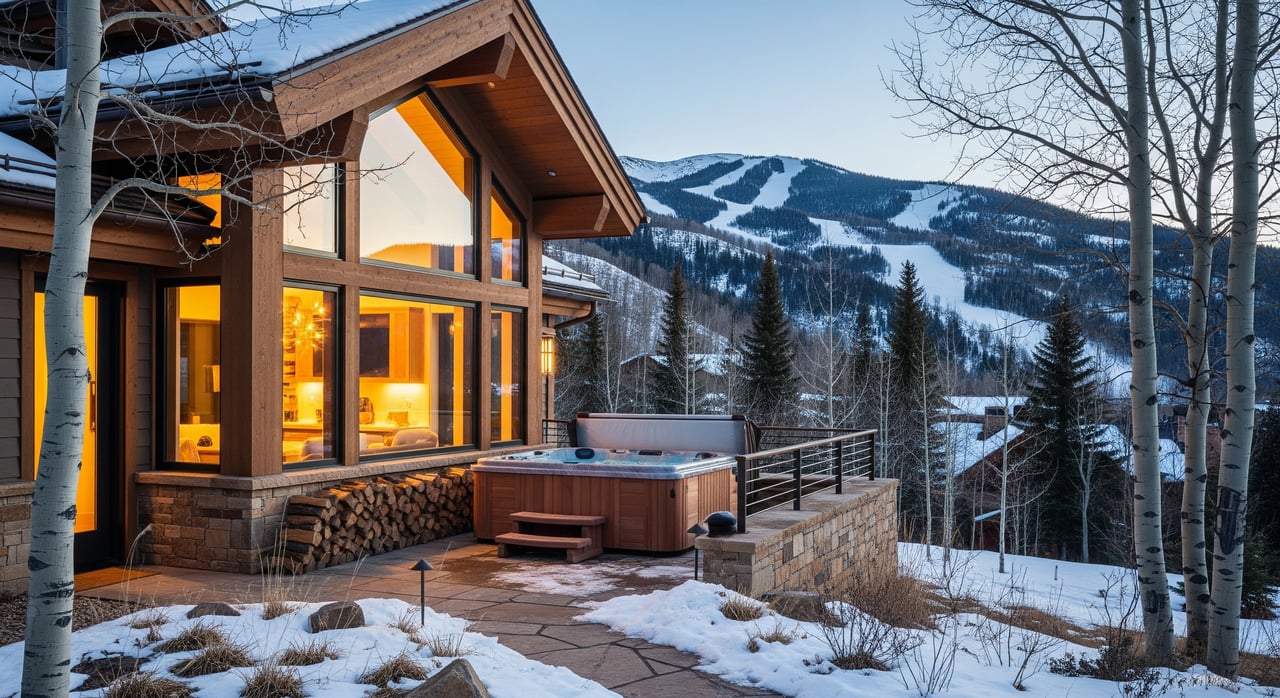
Thinking about renting your Snowmass Village home for part of the year? The returns can be compelling, but rules and compliance matter just as much as location. If you understand how licensing, zoning, safety, and taxes work, you protect your investment and avoid costly interruptions. This guide gives you a clear, practical overview of short-term rental expectations in Snowmass Village so you can prepare with confidence. Let’s dive in.
Your first step is to confirm whether a property sits inside the Town of Snowmass Village or in unincorporated Pitkin County. The town regulates and licenses short-term rentals within its limits, while Pitkin County sets separate rules outside the town. The differences can be material, so verify jurisdiction before you model income or plan upgrades.
Most Colorado resort towns define a short-term rental as a residential unit rented for transient stays, typically under 30 days. The exact language lives in the municipal code, and rules may treat hotels and lodges differently from residential STRs. If you are considering a condo, townhome, single-family home, or fractional interest, check how your specific property type is classified.
Expect to register your property before you advertise or host. Common elements include an application with owner and local contact details, proof of ownership or authorization, and an annual renewal with a fee. Many towns require you to display your license number on every listing and advertisement. Licenses are often tied to a specific owner and address and may not transfer if you sell the property.
Some jurisdictions use administrative caps, phased permitting, or geographic limits on STRs. Because policies evolve in mountain communities, confirm the most current Snowmass Village process, timelines, and any limits before you commit capital.
Zoning determines where STRs are permitted and under what conditions. Rules may distinguish primary residence STRs from non-owner investment properties, whole-home rentals from attached units, and residential from mixed-use or resort zones. Do not assume a residential address is eligible. Confirm that your property’s zoning allows STR use and whether there are neighborhood-specific conditions.
Municipal codes often set maximum occupancy based on bedroom count or square footage. Some adopt minimum night stays during peak periods. Review limits for your property type and season to avoid overbooking or violating rules.
Event and party restrictions are common, along with quiet hours and nuisance standards. Make sure your house rules mirror local ordinances and that guests understand them before arrival.
Many resort towns require a local contact or property manager available 24 hours a day to respond to complaints and emergencies. They may also require issues to be addressed within a set timeframe. If you do not live nearby, budget for professional management that can meet response standards.
Expect requirements for designated parking, guest guidance on winter conditions, and strict adherence to trash schedules. Short stays can amplify neighborhood impacts, so clear instructions, bins, and pickup plans are essential.
Before issuing or renewing a license, towns often require proof of safety compliance. That can include smoke and carbon monoxide detectors, fire extinguishers, egress standards, and posted evacuation plans. Some programs include a fire or building inspection.
You may be required to post your license number and certain house rules inside the home. Create a simple binder or digital guide that covers contacts, emergency procedures, parking, trash, and quiet hours.
Short-term rental income typically triggers sales and lodging or occupancy taxes at the town, county, and state levels. You may need to register with tax authorities and file periodic returns. Some platforms collect and remit certain taxes, but operators remain responsible for any taxes not covered by a platform. Keep thorough records of bookings, stays, and remittances in case of audit.
Enforcement in resort towns often starts with complaints. A neighbor call can lead to investigation, warnings, and fines. Penalties usually escalate for repeat violations and can include increased fines, license suspension, or revocation. In serious cases, civil enforcement is possible. Build your processes around prevention: clear rules, strong guest screening, and quick response to issues.
Condominium and subdivision covenants can be more restrictive than municipal code. An HOA may ban STRs, set minimum stay requirements, impose guest registration, or fine owners for violations. Review CC&Rs, bylaws, and building rules thoroughly before you buy or convert a unit to STR use.
Platforms may also enforce local compliance. Many require a valid license number on listings and can remove or suspend noncompliant properties. Even if a platform collects some taxes, confirm what is covered and what remains your responsibility.
Licensing fees, inspections, additional waste service, safety upgrades, and 24/7 management all increase operating costs. Taxes and platform fees reduce net yield, so include them in your pro forma.
Minimum stays, seasonal limits, or zoning constraints can reduce available nights and average daily rate potential. Model your revenue with realistic assumptions that reflect current rules.
Snowmass Village experiences pronounced seasonality, with peak demand in winter and strong summer months, followed by shoulder-season slowdowns. Any rule that limits nights or requires longer minimum stays will shift your booking mix across these periods. Align your pricing, minimums, and marketing with the calendar to protect occupancy and margins.
Short-term rentals in Snowmass Village can perform well when you align strategy with the rules. Start with jurisdiction and zoning, build compliance into your operating plan, and pressure-test your numbers against seasonality and costs. If policy shifts, have a backup plan that protects your exit options or enables conversion to longer-term use.
When you are evaluating a property’s STR potential as part of a broader lifestyle and investment decision, it helps to have a local advocate who understands both the regulations and the market dynamics that drive value in the upper tier. For discreet guidance on Snowmass Village opportunities and how STR rules affect your strategy, connect with Stephanie Lewis.
Stay up to date on the latest real estate trends.





She is enthusiastic, hardworking, discreet and is intimately familiar with the local real estate market. She has worked with a wide range of American and International clientele, spanning the world of finance, media, entertainment and real estate.