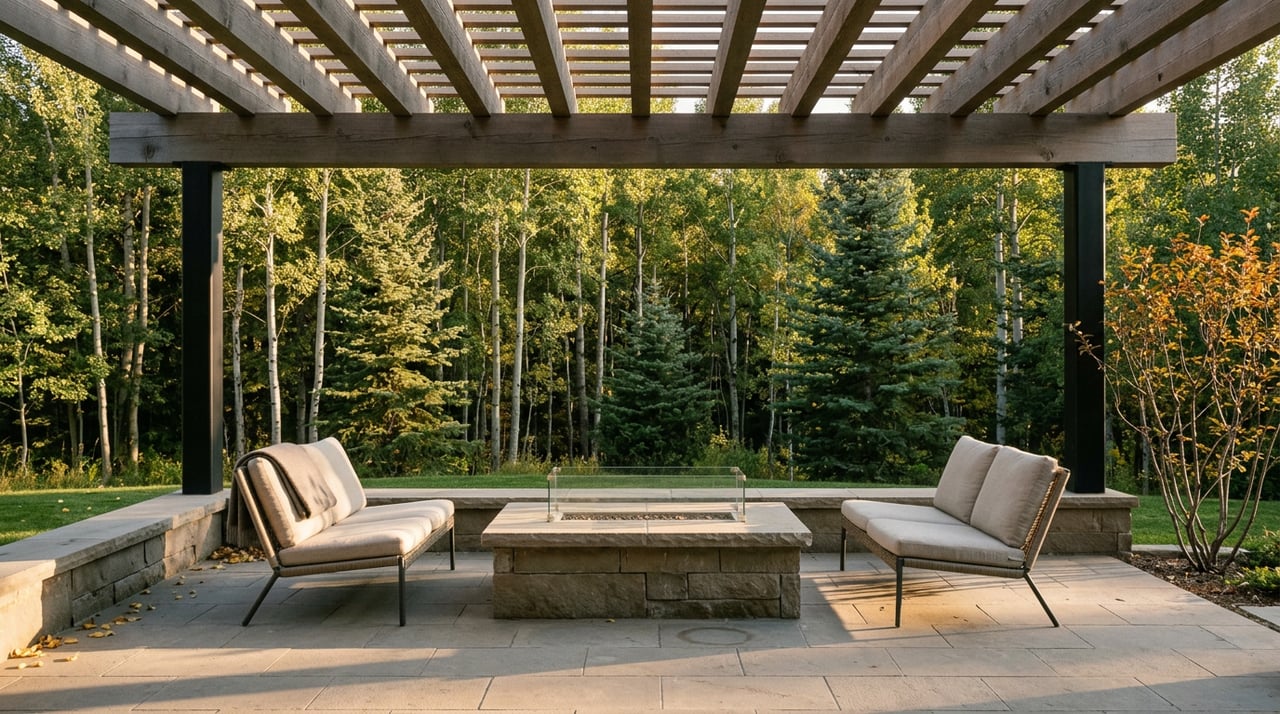
Craving mornings by the river and evenings in town without the hassle of a long drive? If you want a low-profile home base wrapped in trees and open space, East Aspen offers a rare balance. You can enjoy quiet, nature-forward living while staying within quick reach of the restaurants, galleries, and services in Aspen’s core. In this guide, you’ll learn what day-to-day life looks like, how you get around, the types of homes that fit a discreet lifestyle, and the due diligence that matters near the river. Let’s dive in.
Why East Aspen appeals
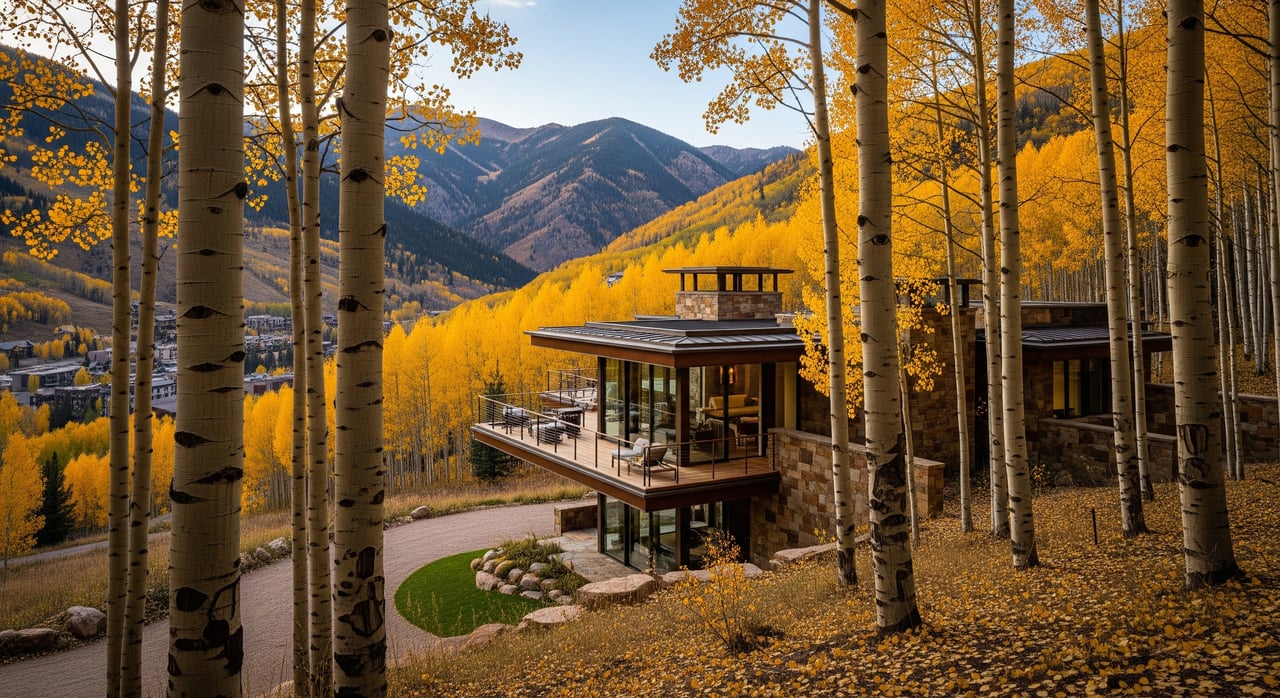
East Aspen sits just east of downtown along the Roaring Fork corridor. The setting blends residential streets, mature vegetation, riparian stretches, and nearby open space. Many properties back to or border green corridors, which helps with privacy and a softer soundscape.
Exact neighborhood boundaries vary by map and listing. What stays consistent is the feel: you live close to nature with quick access to Aspen’s core. For buyers who value low-key daily routines and fast connectivity, that combination is the draw.
Nature at your doorstep
North Star Nature Preserve access
The North Star area is a defining amenity nearby. It offers short walks, birdwatching, and a quiet place to recharge after work or skiing. You can plan low-impact outings like morning loops or sunset strolls without leaving town limits. Dog rules and seasonal guidance can change, so check current requirements before you go.
Roaring Fork River proximity
The Roaring Fork River shapes daily life in East Aspen. Many streets provide visual or physical access to the water or to riverside paths. Public access varies by location, so confirm where you can enter legally and note any private boundaries.
It is common to see people walking or biking along the river. Fishing is popular when in season and subject to Colorado regulations. Water levels rise in spring and can affect recreation, so factor in seasonal conditions if you plan to tube or paddle.
Daily rhythms through the seasons
- Summer: Long daylight and active trails. Expect more visitors in town around events and weekends, with East Aspen offering a quieter base. Outdoor meals on the patio are a staple.
- Fall: Leaves drop along the river and trails get quieter. Wildlife sightings can increase in riparian areas.
- Winter: Streets are calm, and snow removal is part of the routine. Being close to the core helps for errands, dining, and cultural events.
- Spring: Runoff raises river flows, and some trails can be muddy. This is also when you assess drainage and any erosion risks near the water.
Getting to Aspen’s core
Quick connections by car, bike, or foot
Most East Aspen addresses sit a short drive from downtown. Many residents also bike or walk, using town and riverside paths where available. Your exact timing depends on your specific street and conditions, so test routes you will use most.
Transit options
Regional buses operate through Aspen and adjacent communities, with local stops that can serve East Aspen. Seasonal shuttles or circulators may run at certain times. If you plan to rely on transit, review current routes, stops, and schedules for your address.
Parking and everyday errands
Core parking rules influence whether you drive in or stick to walking and biking. Some buyers prefer a home with driveway or garage parking to keep vehicles out of the core. Grocery stores, pharmacies, clinics, and schools are in or near town, so map travel times from any property you are considering.
Homes that fit a quiet, connected life
Typical housing forms
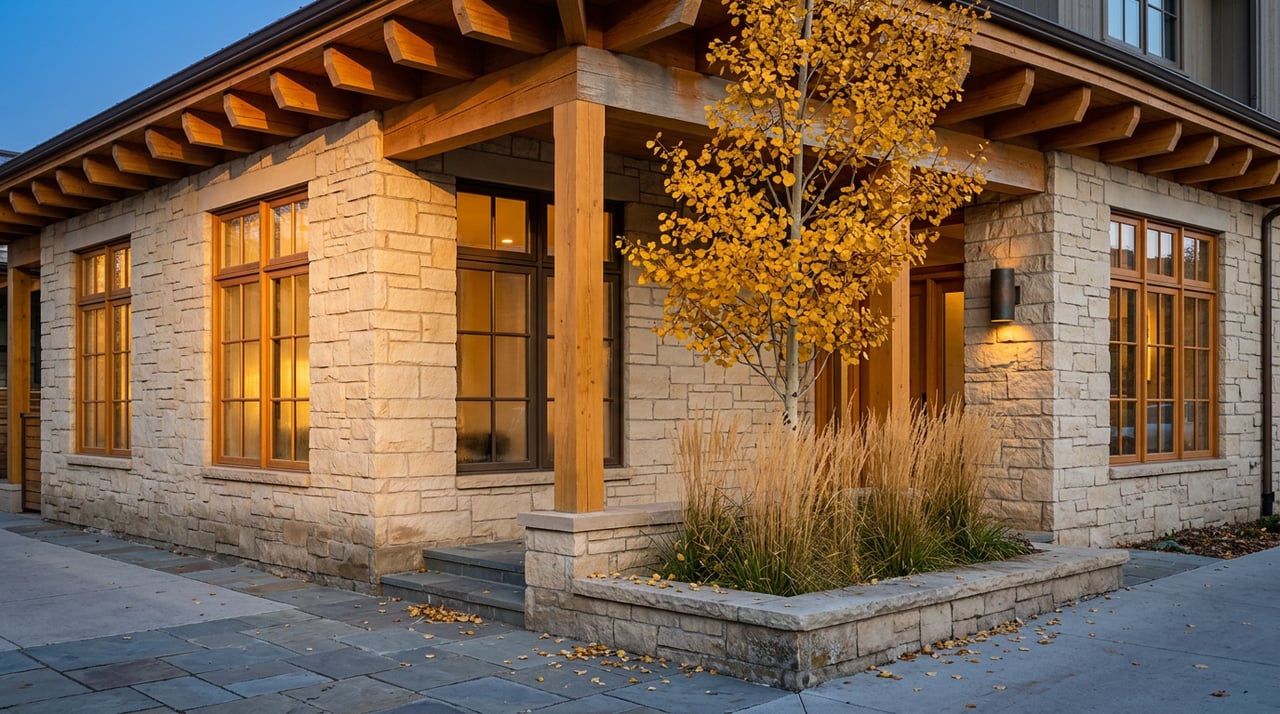
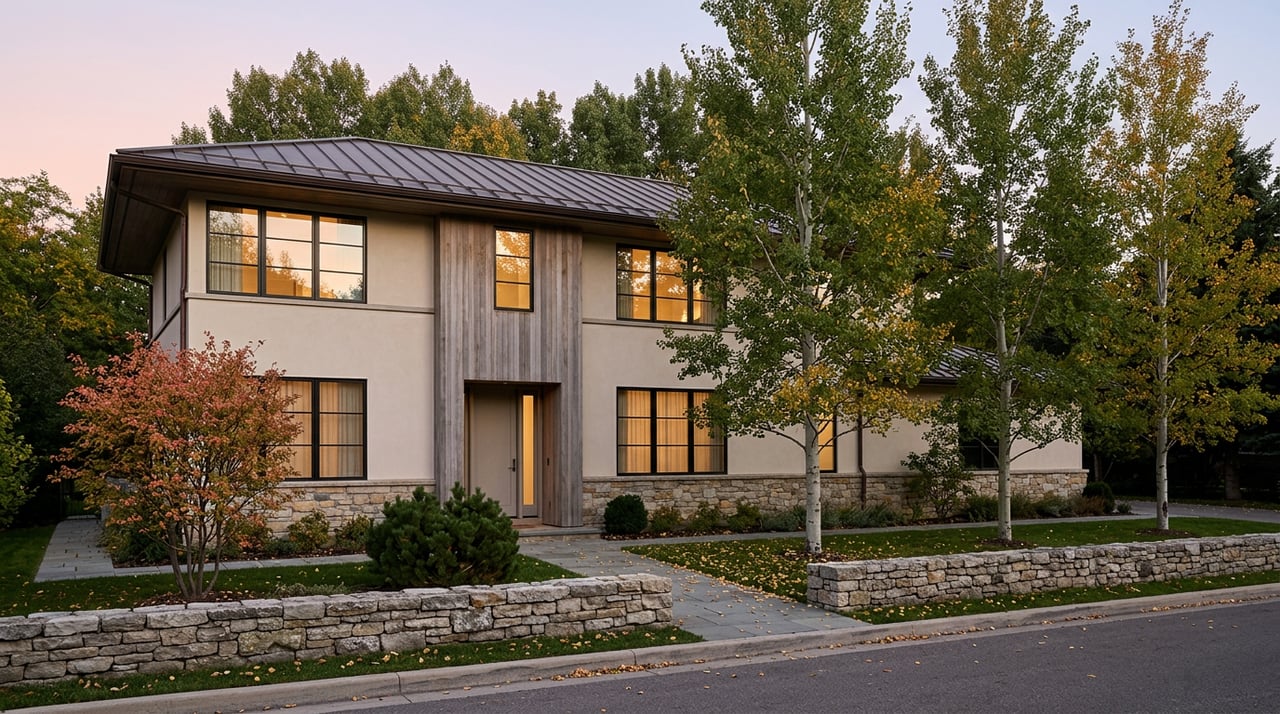
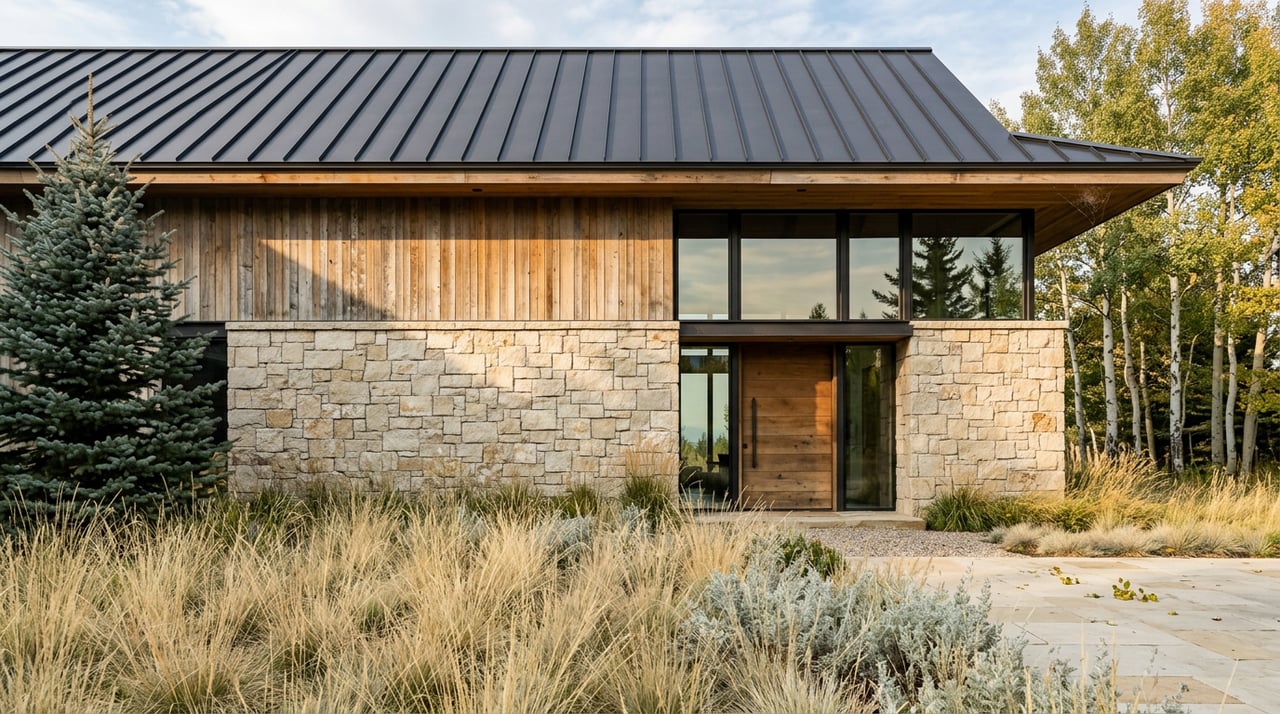
- Single-family homes on established lots, ranging from classic cottages to contemporary builds
- Select small multi-unit buildings where allowed by zoning
- Occasional river-view or river-adjacent parcels
Design features that protect privacy
- Setbacks from the street and river to screen daily life
- Mature landscaping or planted buffers to soften sight lines
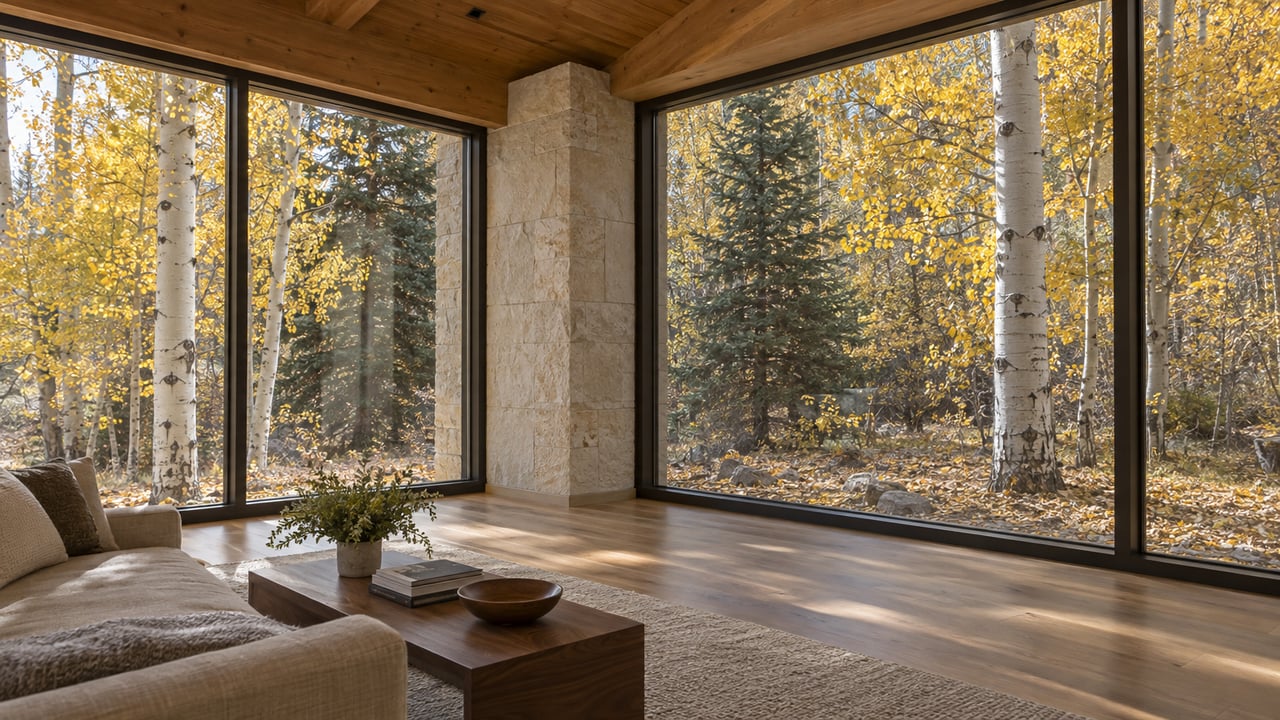
- Floor plans and window placement tuned to views of open space, not the road
- Low-key driveway and garage placement that keeps the facade discreet
- Separate guest spaces or ADUs that preserve privacy for everyone, pending zoning and permits
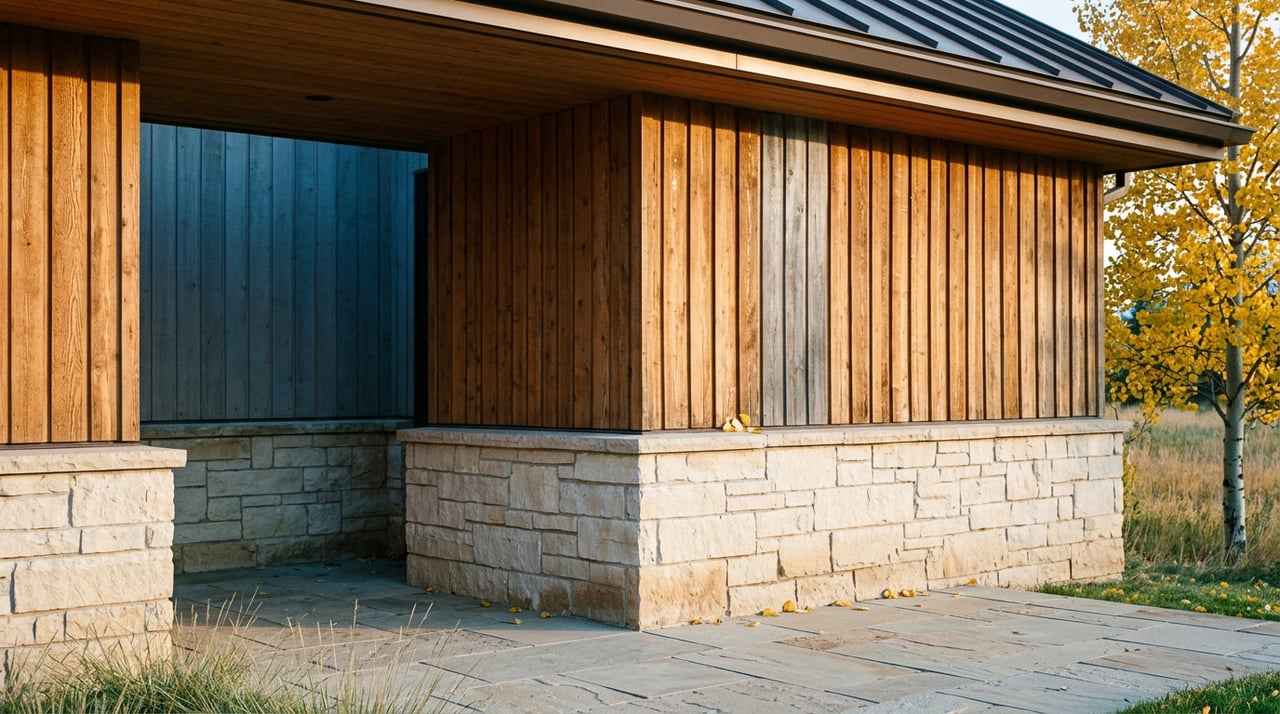
- Low-maintenance exteriors and native or xeric landscaping for easy care
Smart filters for your shortlist
When searching, look for terms like: “near North Star,” “river frontage” or “river view,” “private yard,” “mature landscaping,” “setback,” “quiet street,” “walk to town,” “biking distance to Aspen core,” “single-family,” and “no HOA” or “small HOA” when applicable. Features that add lifestyle value include dedicated bike storage, a mudroom for gear, snow-ready driveways, and defined outdoor living areas.
Who tends to be a match
- Retiree or remote worker: values quiet views, low maintenance, and a short walk or ride to coffee and shops, plus strong internet connectivity.
- Household with school-age children: looks for predictable routes to town amenities and schools, usable yard space, and storage for winter gear.
- Second-home buyer: prioritizes privacy, easy property care, and a quick connection to dining and shopping.
Zoning and scale considerations
Land use, lot coverage, height limits, and rules for accessory dwelling units are set by local zoning. These factors govern what you can add or renovate. Verify jurisdiction first, since properties can fall under the City of Aspen or Pitkin County.
Before planning changes, review current zoning, any overlay districts, and the property’s permit history. This protects timelines and helps you avoid surprises on visibility, massing, or density.
Key due diligence near the river
Living close to water is part of East Aspen’s appeal. It also calls for a careful review. Build these items into your process:
- Flood and erosion: Check floodplain maps, ask for elevation certificates when relevant, and review any mitigation work. Learn about historical high-water events.
- Wildfire: Confirm defensible-space requirements and brush-clearing responsibilities. Understand how regional risk may affect your insurance.
- Easements and access: Clarify public versus private river access, and look for utility, trail, or conservation easements that could affect privacy or future plans.
- Water rights and supply: For municipal connections, verify services and any agreements. For wells or shared systems, confirm rights, testing records, and operations.
- Covenants and conservation: Some parcels near open space have restrictions on building footprints, exterior changes, vegetation removal, or rentals. Review recorded documents.
- Permits and rebuild rules: Confirm permits for past work and understand rules for additions or replacement structures, especially for older homes that may be grandfathered.
- Utilities and services: Verify water, sewer, electric, gas, high-speed internet, trash collection, and winter road maintenance.
- Noise and events: Downtown festivals and tourist seasons can raise traffic and sound levels. Ask about typical event schedules if quiet is a priority.
- Insurance: Price out homeowners, flood, and wildfire-related coverage early. Markets shift, so get current quotes for representative properties.
- Rental rules: If rental income matters, confirm current short-term rental regulations, licensing, and any caps or neighborhood restrictions.
How to tour like a local
Use this simple field checklist when you visit properties:
- Walk the block at different times: morning, afternoon, evening, and a weekend check
- Walk or bike the route to downtown and along the river; time it and note lighting and crossings
- Evaluate setbacks and sight lines toward the river or open space, plus neighboring structures
- Inspect privacy buffers: trees, fencing, berms, and how they perform in winter
- Ask for documents: recent survey, title report showing easements, elevation certificate if near water, utility bills, HOA documents if any, and permit history
- Confirm water and septic details if applicable, snow removal arrangements, and any flood or insurance claim history
- Talk with neighbors about seasonal conditions, parking patterns, and wildlife activity
A quiet base with fast access
If you want a low-profile daily rhythm with a quick link to Aspen’s core, East Aspen checks the boxes. You can enjoy open space, river proximity, and mature streetscapes without giving up easy dining, culture, and services. The key is to match your privacy goals with the right lot, design, and due diligence.
When you are ready to tour the most compelling options, work with a principal-led advocate who understands zoning, river-related risk, and the nuances of quiet living near town. For discreet, curated access to on- and off-market opportunities, connect with Stephanie Lewis. Book a private consultation.
FAQs
What defines East Aspen for homebuyers?
- East Aspen generally refers to residential areas just east of downtown along the Roaring Fork corridor, offering a nature-forward setting with quick access to the core. Boundaries vary by map and listing.
How close is East Aspen to downtown Aspen amenities?
- Most addresses sit a short drive or bike ride from the core, with some walkable routes via town and riverside paths. Test the exact route from the property you are considering.
Is there public access to the Roaring Fork River in East Aspen?
- Access points vary. Confirm legal public entries and note any private boundaries or easements on or near the property before you plan fishing or launching.
What should I verify about zoning in East Aspen?
- Determine whether the property is under the City of Aspen or Pitkin County, then review current zoning, any overlays, and the permit history to understand what renovations or additions are allowed.
Are there special risks for river-adjacent homes?
- Yes. Evaluate floodplain status, erosion potential, insurance costs, and riparian easements. Request elevation certificates and review historical high-water information.
Can I keep an accessory dwelling unit for guests or staff?
- It depends on zoning and permits. Confirm ADU rules, past approvals, and any restrictions that apply to the parcel before planning a guest space.
How does seasonality affect daily life in East Aspen?
- Summer brings active trails and more visitors in town. Fall is quieter. Winter adds snow management but keeps services close. Spring runoff raises river flows and can create muddy trail conditions.