
December 4, 2025
Looking for a quiet Aspen address that keeps you close to everything? The West End delivers central convenience with a calm, residential feel. If you want historic character, easy walkability, and fast access to the gondola without giving up privacy, this is where many savvy buyers focus. In this guide, you will learn how the neighborhood is laid out, what homes look like, how you get to skiing and trails, and what to check before you buy. Let’s dive in.
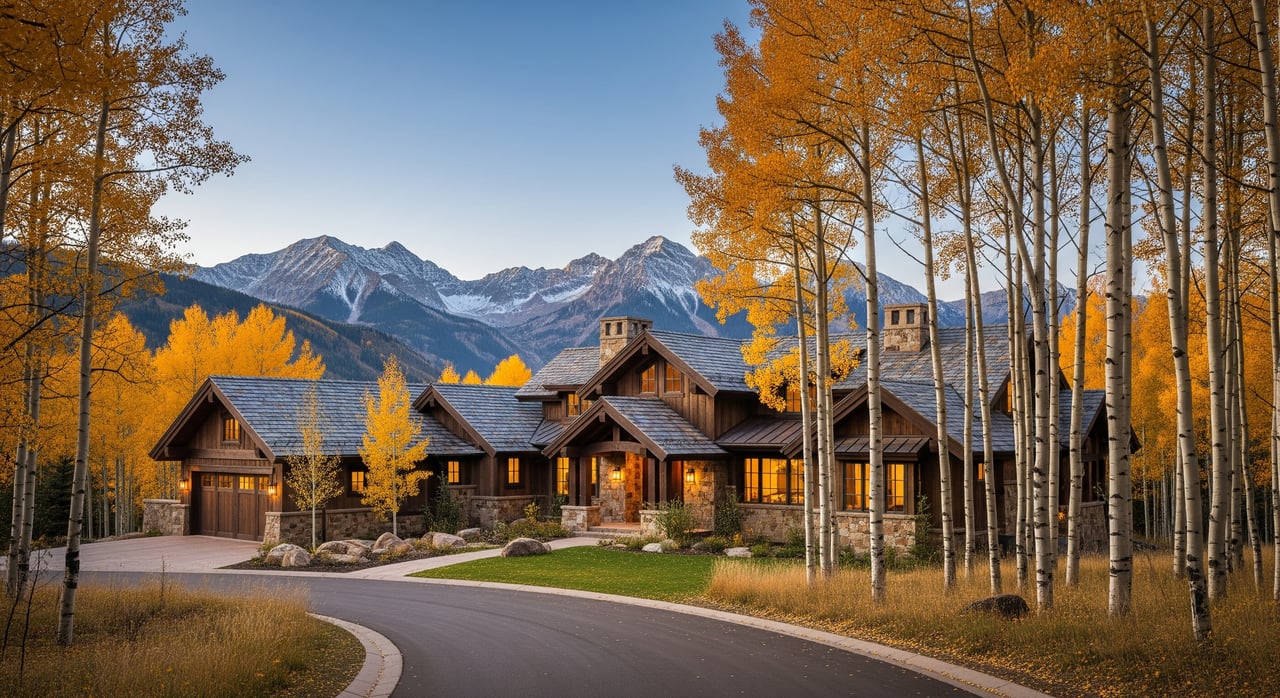
The West End sits immediately west of Aspen’s Main Street core. It is compact and largely residential, with tree-lined streets and a mix of preserved historic homes and modern renovations. You are close to restaurants, shops, and cultural venues, yet daily life feels low-key compared with the buzz of Main Street.
Inventory skews toward single-family homes and tends to be tight. Demand is strong because of the central location and the limited number of properties. Many homes have gone through thoughtful renovations that maintain historic facades while updating interiors to modern luxury standards.
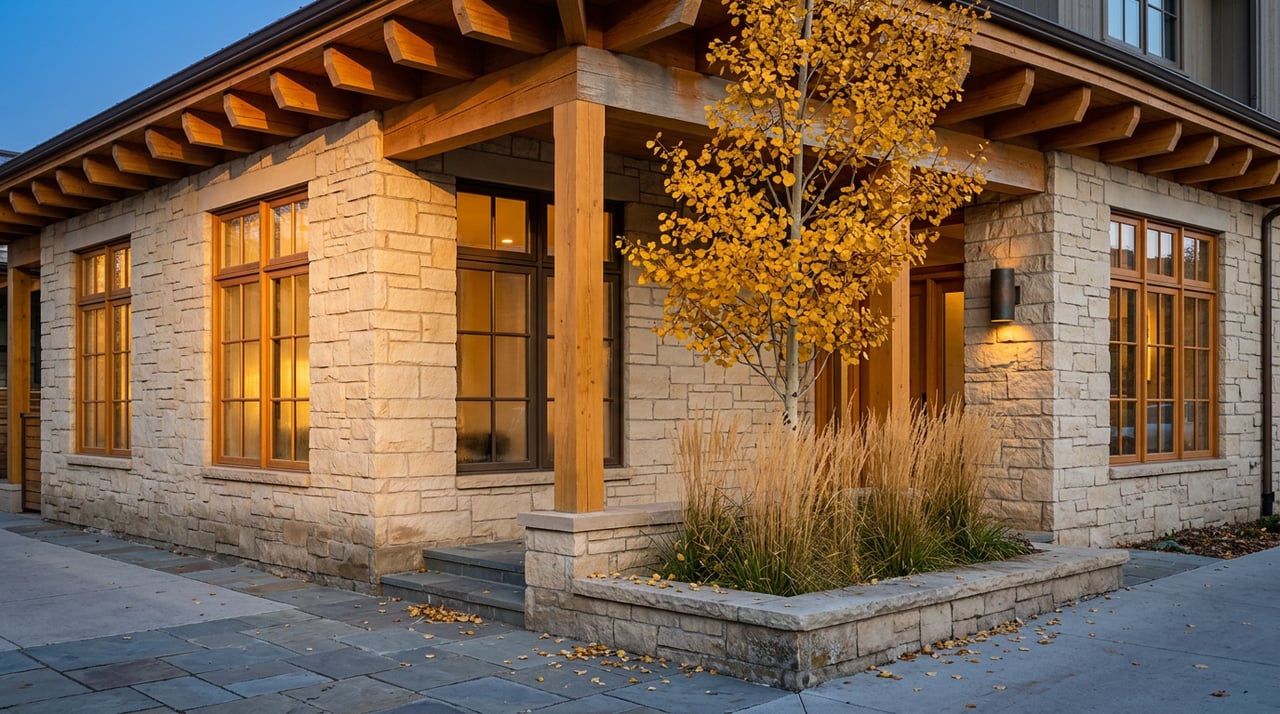
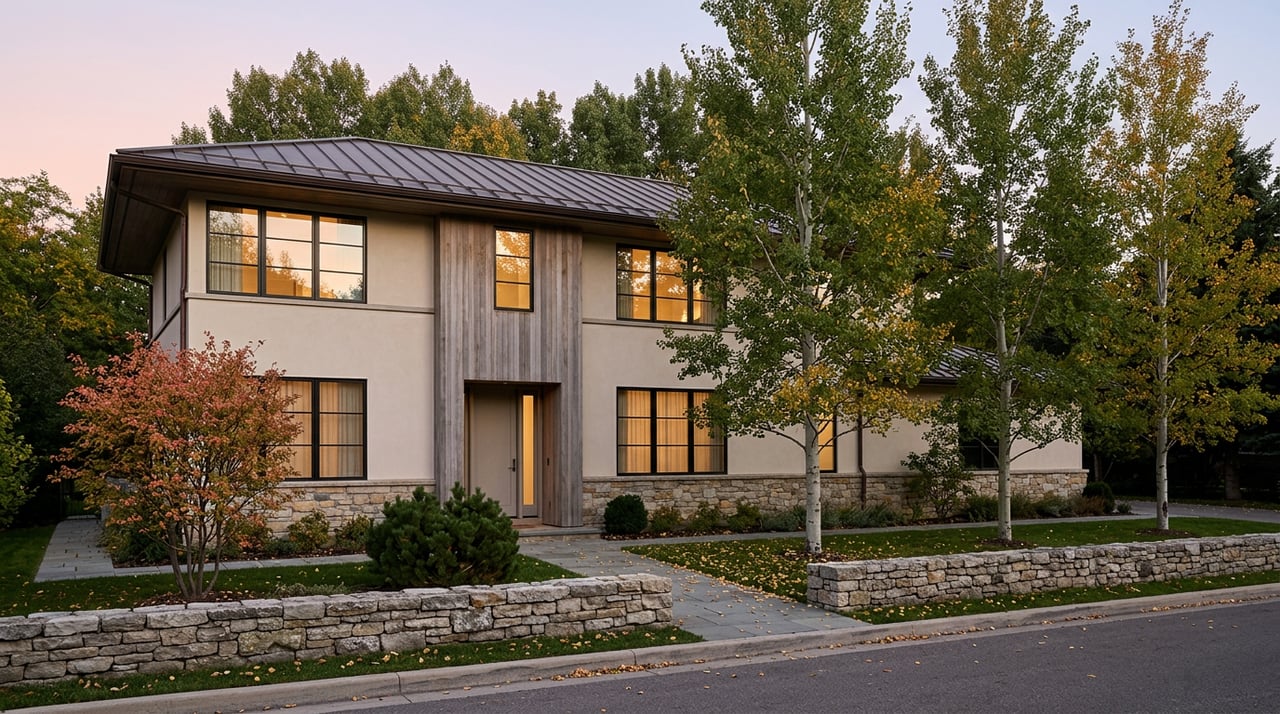
Lots here are generally smaller than in outlying neighborhoods. Many homes have compact footprints, small yards, and private gardens. The streetscape emphasizes front stoops, mature aspen and conifer trees, and a neighborhood feel rather than large estate setbacks.
A long-term trend in the West End favors preserving historic façades while expanding livable space and upgrading interiors. Owners often add space vertically or rebuild on the lot, subject to permits. Because many blocks include historic fabric, exterior changes, demolitions, and some additions may require review by the City of Aspen’s historic-preservation staff. If you plan a major remodel, contact the City of Aspen early in your process.
Older homes frequently need insulation upgrades, modern HVAC, and plumbing and electrical updates to meet current codes and luxury expectations. Roofs must handle alpine snow loads. Many properties use snow guards or heated gutters to manage ice and runoff. During due diligence, have your inspector assess structural framing, roof condition, and snow-management systems.
Many West End addresses are within roughly a 5 to 15 minute walk to Main Street, the Silver Queen Gondola area, and essential services. Daily errands can often be done on foot. You get immediate access to grocery markets, boutiques, fitness studios, spas, and galleries without a car.
The West End is not ski-in or ski-out. That said, it offers some of the fastest on-town walking access to Aspen Mountain via the downtown gondola. For Buttermilk, Aspen Highlands, and Snowmass, expect short drives from this central location. Public transit also serves these areas on frequent routes.
The Rio Grande Trail runs along the Roaring Fork River and is easy to reach from the West End and downtown. It is popular for biking, running, and casual strolls. Trailheads for Smuggler Mountain and upper Aspen Mountain are close by. Hunter Creek and other valley trails are within a short drive. Small parks and riverfront green spaces sit near the neighborhood and often host summer festivals and open-air events.
Local bus service is provided by the Roaring Fork Transportation Authority. Aspen’s town shuttles and RFTA routes connect the West End to downtown and ski areas. The Aspen/Pitkin County Airport is only a short drive from central Aspen, though winter conditions and event traffic can affect timing.
A major draw of the West End is proximity to Aspen’s cultural institutions. The Aspen Music Festival & School, including the Benedict Music Tent, anchors the summer music season. The Aspen Institute hosts conferences and events that shape the town’s intellectual calendar. Downtown, the Wheeler Opera House offers year-round performances, and the Aspen Art Museum showcases contemporary art alongside a dense cluster of galleries.
Main Street and the downtown core feature a wide range of restaurants, bars, and lounges. Living in the West End lets you enjoy the scene on your schedule, then return home to quiet streets and mature landscaping.
Public education is provided by the Aspen School District. Private school and seasonal childcare options also operate in town. If schools factor into your decision, verify enrollment boundaries and program availability directly with the district and schools.
Property taxes in Colorado vary by jurisdiction. In Aspen, assessed values and luxury-market dynamics contribute to relatively high tax bills compared with many other markets. If you plan to rent the property for short stays, be aware that lodging and tourism taxes can apply. Operating costs often include higher heating usage, snow removal, roof maintenance, and specialized contractor services common to alpine construction.
Insurance is another line item to review early. Alpine weather, seasonal exposure, and any floodplain considerations can affect premiums and coverage. Obtain quotes before you finalize an offer.
West End properties are generally within the City of Aspen’s planning jurisdiction. Zoning, building codes, historic-preservation rules, and short-term rental licensing can affect what you can build and how you can use the home. Rules change over time. If you plan to rent short term, verify the current licensing process, occupancy rules, and taxes with city and county officials. For demolition or substantial exterior work, plan for review and approvals.
Parts of the downtown and river corridor have FEMA floodplain considerations and local riparian setbacks. Always check flood maps and local requirements so you understand insurance and building constraints. Homes closer to Smuggler Mountain or on sloped sites may require geotechnical review for major additions or new construction. Most properties are on municipal water and sewer, but you should verify service, capacity, and any easements for the parcel.
Off-street parking varies by property. On-street parking is available on many blocks but can feel tighter during peak festival days and ski season. Plan for snow storage and driveway access, and budget for contractor snow removal if needed. If you anticipate frequent guests or service-provider visits, evaluate curb space and circulation during your site visit.
The West End is widely regarded as a scarce, high-demand micro market. Single-family homes make up most of the inventory, with a smaller number of condominiums and multiunit conversions. Classic single-family lots rarely have homeowners associations, while condos and converted buildings will have HOAs with their own rules and assessments. Because inventory is limited and the location is central, prices are typically among Aspen’s higher tiers. For context on current numbers, review recent MLS data and local reporting when you are ready to move forward.
Use this quick list to prepare your search or pre-offer diligence. Many buyers handle these steps in parallel with a trusted local broker and attorney.
Choose the West End if you want walk-to-everything living with residential privacy, historic charm, and some of the quickest access to Aspen Mountain’s gondola. Expect smaller lots, thoughtful renovations, and a community feel that balances cultural energy with quiet streets. Plan ahead for preservation rules, winter logistics, and higher operating costs typical of alpine homes. With the right strategy, you can secure a property that fits your lifestyle and holds long-term appeal.
If you are exploring on- or off-market opportunities in the West End, connect with a principal-led advisor who understands the neighborhood block by block and can navigate preservation, permitting, and private inventory. For discreet guidance and curated options, reach out to Stephanie Lewis to book a private consultation.
Stay up to date on the latest real estate trends.
She is enthusiastic, hardworking, discreet and is intimately familiar with the local real estate market. She has worked with a wide range of American and International clientele, spanning the world of finance, media, entertainment and real estate.