
July 9, 2026
Wondering whether you should list your Snowmass Village property before the lifts spin, during peak ski season, or after the snow melts? In a resort market like Snowmass, timing can shape who sees your home, how they experience it, and how much momentum your listing builds. If you are planning a sale, it helps to think beyond a single “best month” and focus on when your property will tell its story most clearly. Let’s dive in.
Snowmass Village is not a one-note ski market. It operates more like a two-peak resort market, with a winter season and a summer season that each bring different buyers, different activity levels, and different marketing opportunities.
For winter 2025-26, Aspen Snowmass operated from November 27, 2025 through April 19, 2026. Summer operations in 2026 ran from June 21 through October 4, with the Snowmass Bike Park open daily from June 21 through September 7 and on selected weekends through October 4.
That matters because buyer visibility changes with the calendar. In winter, visitors are in town for skiing and snow-focused events. In summer, the draw shifts to biking, gondola rides, outdoor programming, and village activity.
Many sellers start by asking when prices will be highest. In Snowmass Village, a better first question is often: When will the right buyers see and feel the value of your property most clearly?
That is especially important because this is a small market. The Aspen Board of REALTORS® notes that one month can look extreme when sample sizes are limited, so you should pay more attention to trendlines than to any single report.
Property type also changes the picture. In the June 2025 Snowmass Village report, single-family inventory stood at 12 homes with 4.4 months of supply, while townhouse and condo inventory stood at 95 homes with 7.0 months of supply. Even within the same town, the market can feel very different depending on what you own.
Launching before ski season can put your property in front of buyers who want to secure a mountain home before winter plans fill up their calendars. For some sellers, that early visibility creates a clean runway before holiday travel and peak-season logistics begin.
This timing can be especially effective for ski-in/ski-out homes and condos. A pre-season launch lets you position the property around winter living, slope access, alpine views, and the appeal of having everything ready for the season ahead.
The tradeoff is preparation. If you want to catch early winter demand, your home, photography, pricing strategy, and marketing materials need to be ready well before the season accelerates.
A pre-season strategy may make sense if your property offers:
Listing during ski season gives buyers the clearest real-world proof of what makes a Snowmass property special. They can see the village active, experience the mountain, and understand how the home fits into a winter lifestyle.
The broader winter calendar supports that visibility. Beyond lift operations, Snowmass features seasonal activity like First Tracks starting January 12, 2026, Town Race Series events beginning January 10, 2026, NASTAR beginning January 15, winter tubing, and the Game of Stones curling series in Base Village.
For the right property, this can be a major advantage. Buyers are not imagining the experience. They are standing in it.
Winter listings can also come with tighter showing windows. Travel schedules, weather conditions, and busy event weekends may compress access and make scheduling more complex.
That does not mean you should avoid an in-season listing. It means the campaign needs to be organized, intentional, and visually strong from day one.
If you miss the winter window, that does not mean you should wait an entire year. A post-season launch can offer practical advantages, especially if your property needs repairs, staging, or updated photography.
Showings may be easier to coordinate after winter. You may also have more control over presentation, which can matter in the luxury segment where details strongly influence perception.
The quieter stretch between winter close and summer opening does create a different dynamic. Since winter operations ended April 19, 2026 and summer did not begin until June 21, 2026, that shoulder season naturally has less built-in visitor traffic.
When the village is quieter, your digital presentation carries more weight. If your home’s main differentiator is ski access, you need visuals and messaging that help buyers understand that advantage even when snow is not on the ground.
For that reason, post-season listings often benefit from a campaign that is more deliberate about storytelling. Photography, video, floor plan flow, and lifestyle positioning all become more important when the resort is not providing the backdrop in real time.
One of the biggest mistakes sellers can make is treating summer as an afterthought. Snowmass Tourism’s 2026 summer lineup ran from June through October and included nearly weekly programming such as the Mountainside Music Festival, the 34th Snowmass Free Concert Series, the Snowmass Rodeo, the Snowmass Wine Festival, and Snowmass Oktoberfest.
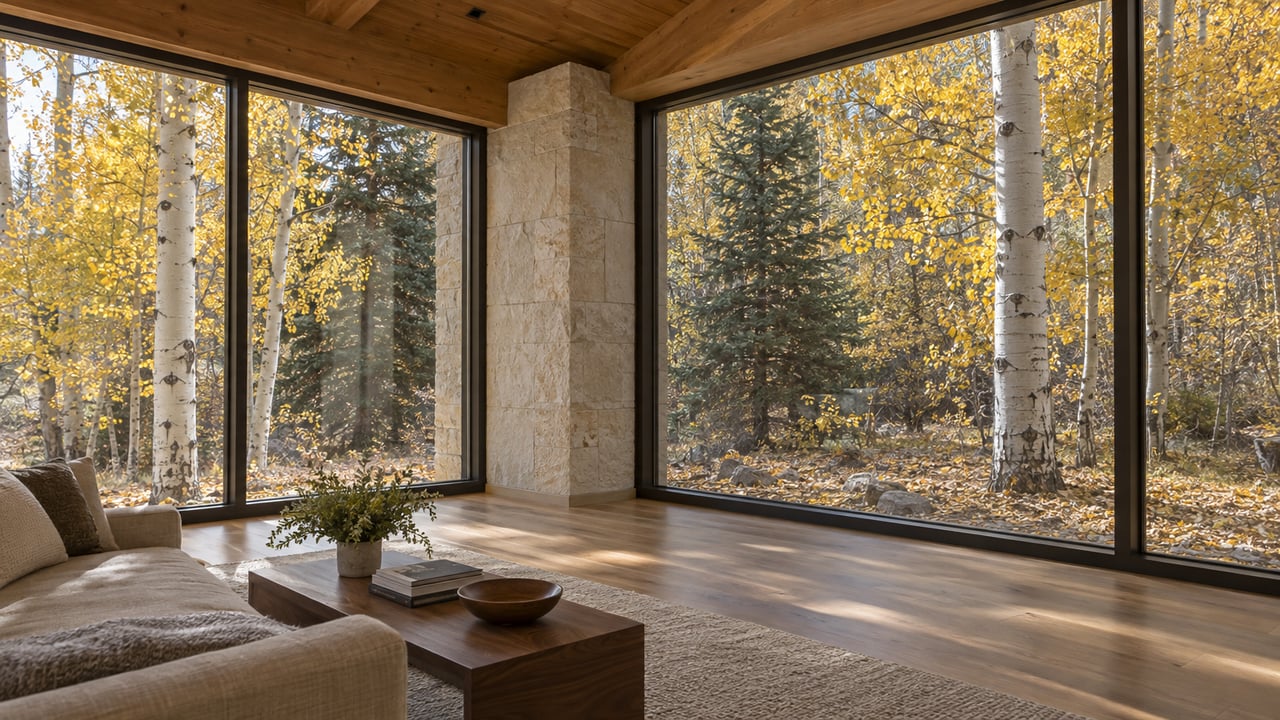
Summer lift operations and the Bike Park also keep the village active. That gives sellers another meaningful showing window, especially for homes that highlight decks, mountain views, walkability to village amenities, and access to warm-weather recreation.
In other words, if your property lives well beyond ski season, summer may present it just as effectively as winter. In some cases, it may even broaden the buyer pool.
A summer-focused launch can work well if your property stands out for:
There is no universal best month to sell in Snowmass Village. The stronger strategy is to match the season to the property’s strongest assets.
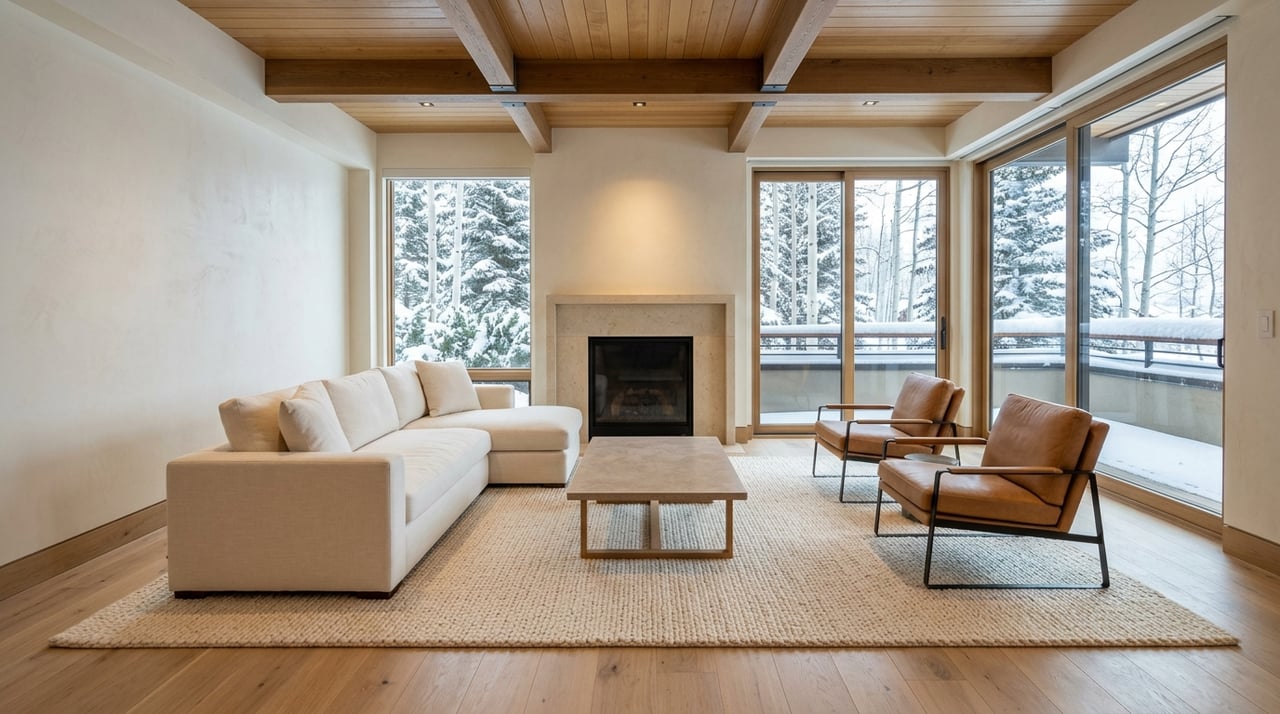
A ski-in/ski-out residence may benefit from winter-forward photography, snow-covered approach shots, and messaging centered on direct mountain access. A residence with expansive decks, open views, and strong summer walkability may perform better with a summer-forward campaign.
Some homes need both. In a market like Snowmass, the most effective listing strategy often comes from choosing the season that supports your lead story, then building marketing assets that reinforce it.
National housing research can offer useful context, but it should not override local resort dynamics. Zillow’s 2026 research found that homes listed in the last two weeks of May 2025 sold for 1.7% more on average nationwide, or about $6,000 on a typical U.S. home.
That is interesting as a broad benchmark, especially if you are considering a late-spring launch. But Snowmass Village is not a typical U.S. housing market, so national timing patterns should be treated as background, not as a local rule.
If you are deciding when to list, a simple framework can help. Start with the property itself, then work outward to market conditions and seasonal traffic.
Ask yourself:
Those answers often reveal the right timing more clearly than a generic calendar ever could.
Even the right listing window can underperform without strong execution. In a market where seasonality shapes buyer attention, the campaign around your home matters just as much as the launch date.
That is where thoughtful pricing, high-quality visuals, and a clear narrative can separate one listing from another. For luxury Snowmass properties, presentation should help buyers see not just the home itself, but how it fits into the rhythm of the village across the year.
A well-planned strategy respects both sides of the equation. It uses local seasonality to create visibility, and it uses polished marketing to convert that visibility into serious interest.
If you are considering a Snowmass Village sale, the right timing is rarely about chasing one “perfect” week. It is about understanding whether winter or summer will best showcase your property, then bringing that story to market with precision and discretion. For a private consultation on timing, positioning, and campaign strategy, connect with Stephanie Lewis.
Stay up to date on the latest real estate trends.




She is enthusiastic, hardworking, discreet and is intimately familiar with the local real estate market. She has worked with a wide range of American and International clientele, spanning the world of finance, media, entertainment and real estate.