
June 4, 2026
If you are selling an Aspen trophy estate, you are not launching a typical listing. You are positioning a rare asset in one of the most specialized single-family markets in the country, where pricing, presentation, and buyer reach all carry unusual weight. This is where Stephanie Lewis’s principal-led approach and Christie’s International Real Estate platform matter most. Let’s look at how that combination helps market Aspen’s top properties with precision and discretion.
Aspen’s single-family market operates on a very different level than the broader regional market. As of the latest Aspen Board of REALTORS® town update available May 31, 2026, Aspen single-family homes posted a year-to-date median sale price of $12.75 million and an average sale price of $15.07 million. The same update reported 276 days on market, 79 active listings, and 13.0 months of supply.
Those numbers matter because they show a market that is both high value and highly selective. They also show why a seller cannot rely on broad pricing rules or a standard listing rollout. In Aspen’s top tier, every choice around pricing, timing, and exposure can shape how the market responds.
It is also important to keep trophy estates separate from other property types. The same market reporting shows the broader Aspen and Glenwood Springs MLS at a year-to-date median sale price of $1.03 million, while Aspen townhomes and condos posted a year-to-date median of $3.4 million. That gap is exactly why a trophy single-family estate needs its own marketing playbook.
Christie’s International Real Estate gives a local Aspen listing global luxury positioning. The brand traces its identity to the Christie’s auction house and emphasizes expertise, discretion, and high-touch client service, all of which align closely with the expectations of Aspen’s top-tier buyers and sellers.
The scale of the network is a major advantage. Christie’s reports a presence in more than 50 countries, 518 brokerage offices, 11,000 agents, and a social reach of 70 million. For a seller, that means your property is not introduced as just another online listing. It can be presented as part of a luxury campaign with international visibility.
Christie’s official materials also point to luxury-branded print and digital marketing, branded property publications, and media partnerships with outlets such as The Wall Street Journal, Financial Times, and James Edition. In practical terms, that helps an Aspen estate behave more like a global luxury offering than a local listing competing for clicks.
Global reach only works if the local strategy is strong. Stephanie Lewis’s brand is built around a visible principal-broker model, which means you are working with a single accountable lead rather than getting passed through layers of a large team. In a market like Aspen, that level of direct oversight can be a real advantage.
Her public brand also shows a track record at Aspen’s highest price points. Her site highlights her role as the #1 broker at Christie’s Aspen, top-1% recognition from Real Trends and The Wall Street Journal, and the sale of Aspen’s most expensive home at $76 million. For sellers, those signals matter because they support credibility in conversations where pricing and positioning need to be defended with confidence.
This boutique structure also fits the needs of buyers and sellers who value discretion. Trophy transactions often involve privacy concerns, legacy considerations, or a preference for quiet outreach before a wider public launch. A principal-led practice is well suited to that kind of representation.
In Aspen’s trophy market, pricing is not just a number. It is the opening strategy. With 276 days on market and 13.0 months of supply in Aspen single-family, the first price you choose can influence momentum, perception, and negotiation leverage.
That is why broad townwide averages are not enough. A trophy estate is more likely to be evaluated through neighborhood-level comparable sales, lot quality, privacy, views, architecture, finish level, and how rare the product is in that specific pocket of Aspen.
A Red Mountain estate does not compete in the same way as a West End property. Red Mountain is defined by elevation, privacy, panoramic views, and an almost entirely single-family housing stock. West End offers a quiet residential setting with historic fabric and a walk of roughly 5 to 15 minutes to the gondola area and downtown services.
East Aspen creates a different value story again, with a more nature-forward setting east of downtown and quiet access to the core. Woody Creek and Old Snowmass bring larger parcels, open space, and a more privacy-driven lifestyle that many buyers compare against in-town estates. Snowmass Village often enters the conversation as a nearby resort alternative for slope-access comparisons.
When Stephanie markets a trophy property, the goal is not to force it into a generic market average. The goal is to position it against the right competitive set so buyers understand why it commands its price.
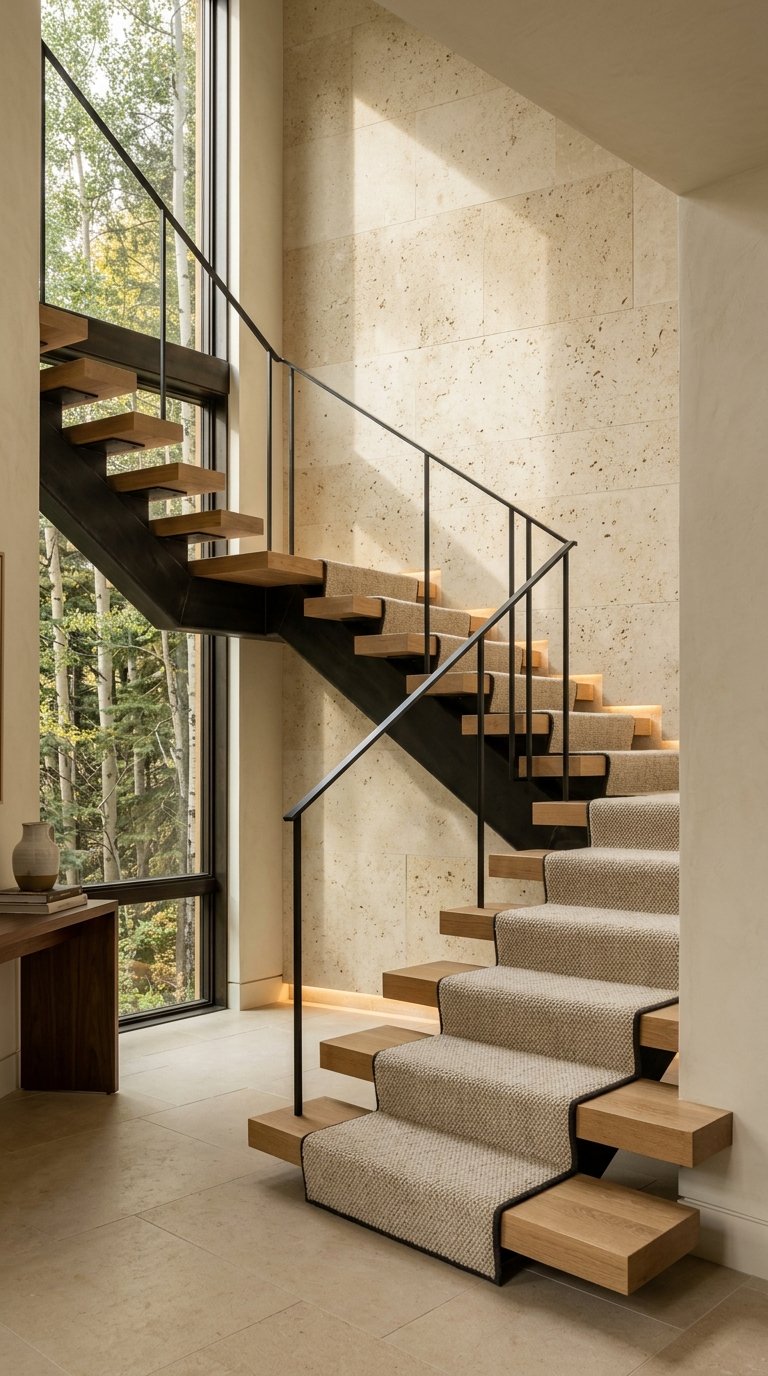
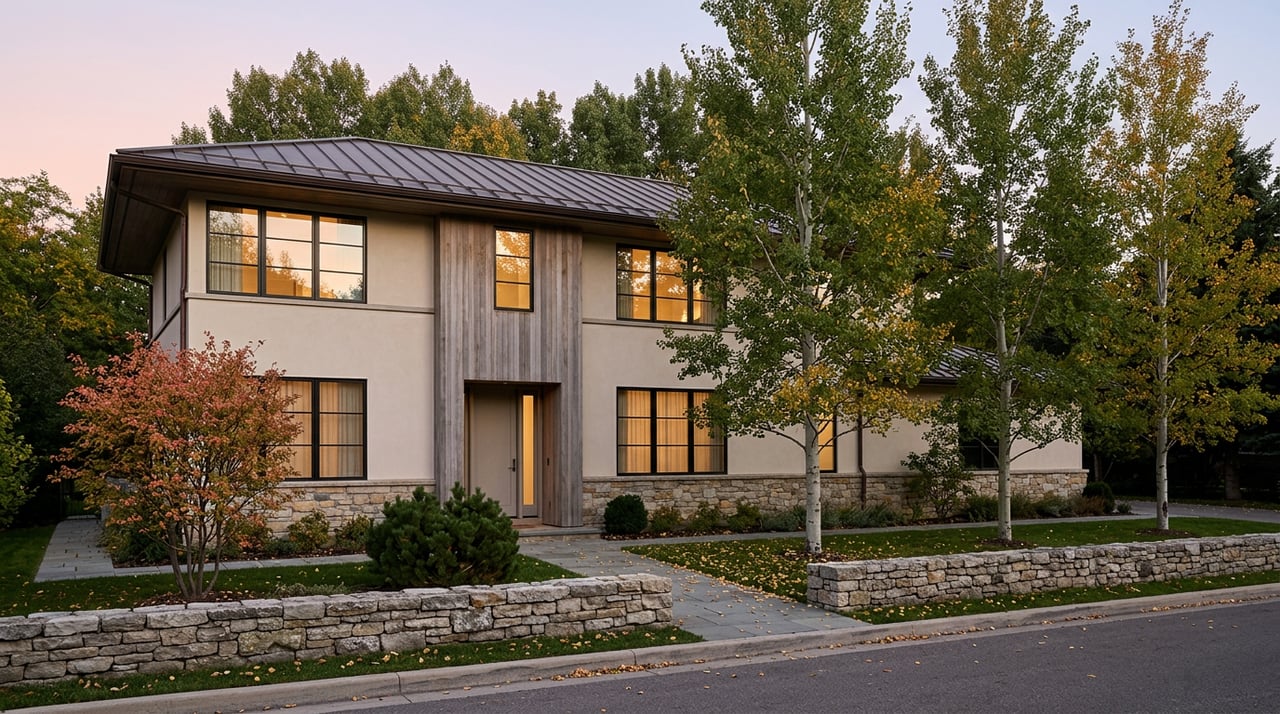
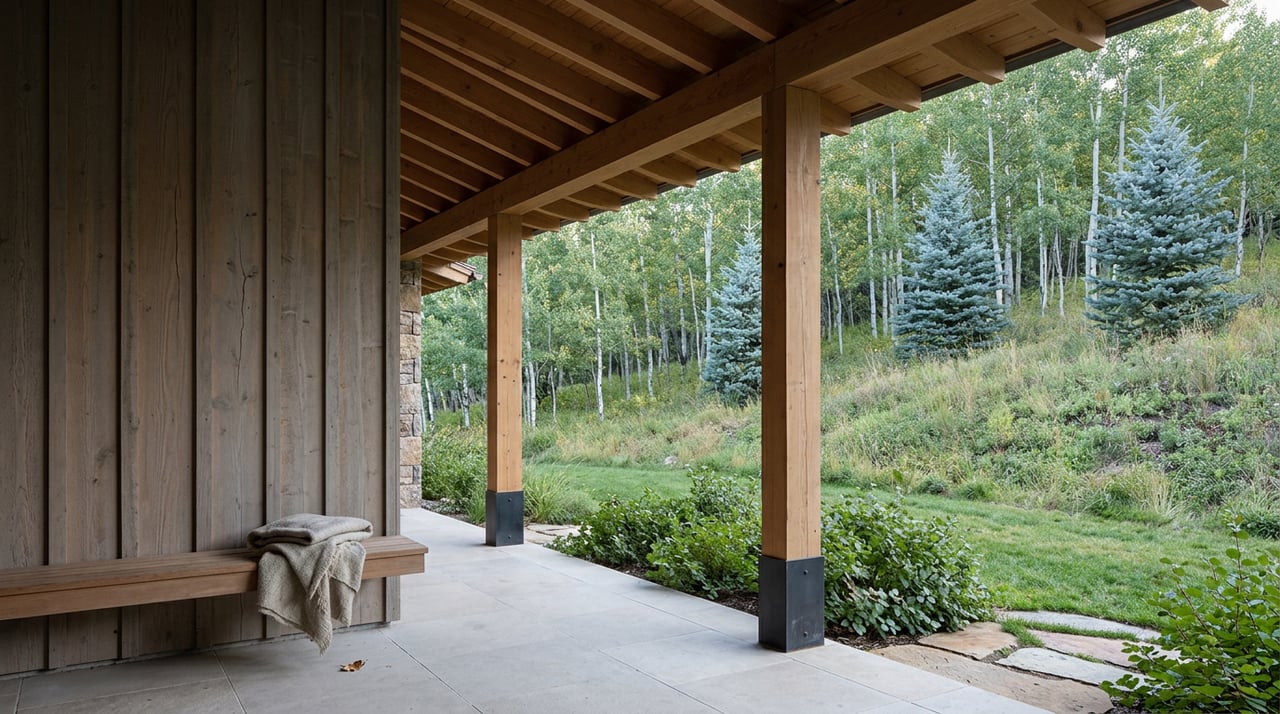
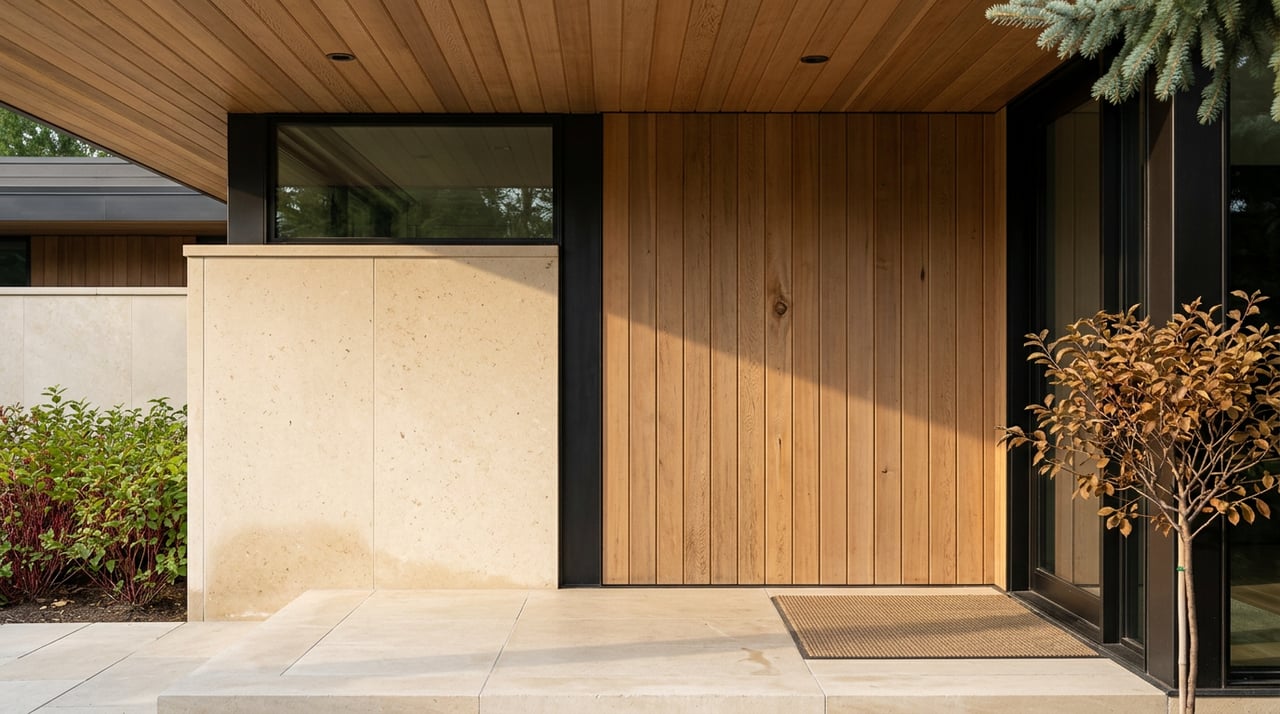
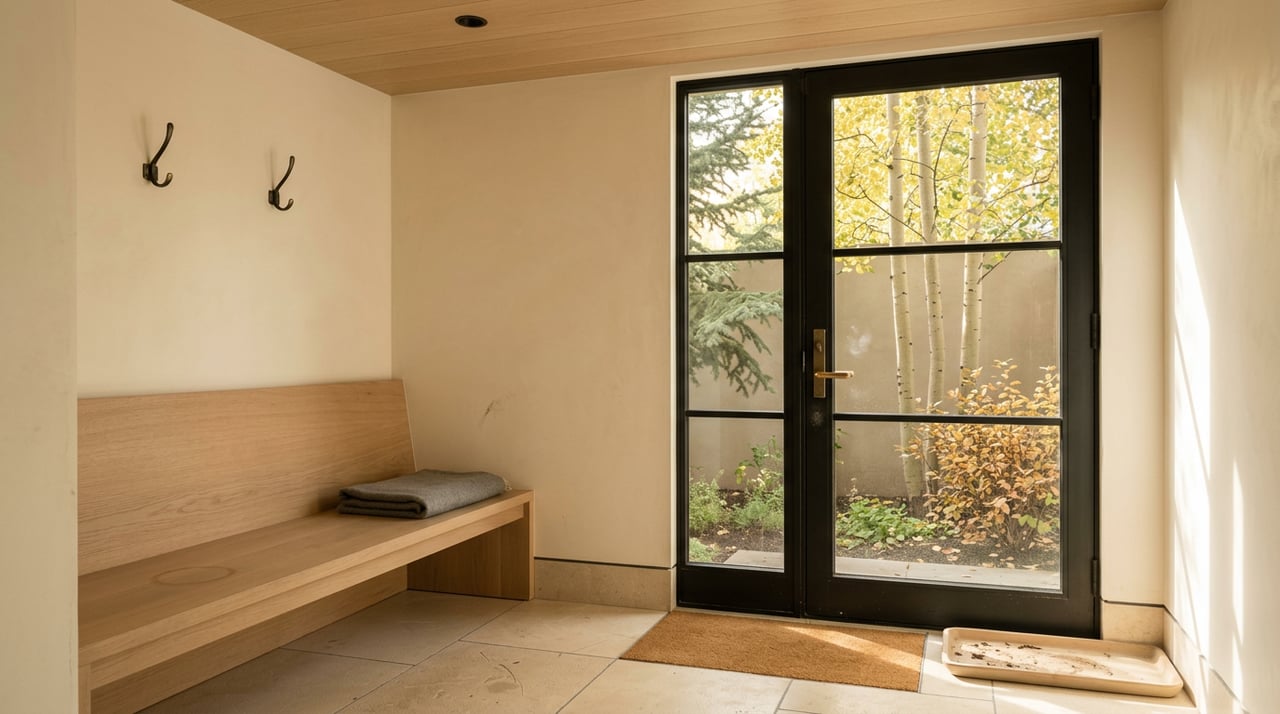
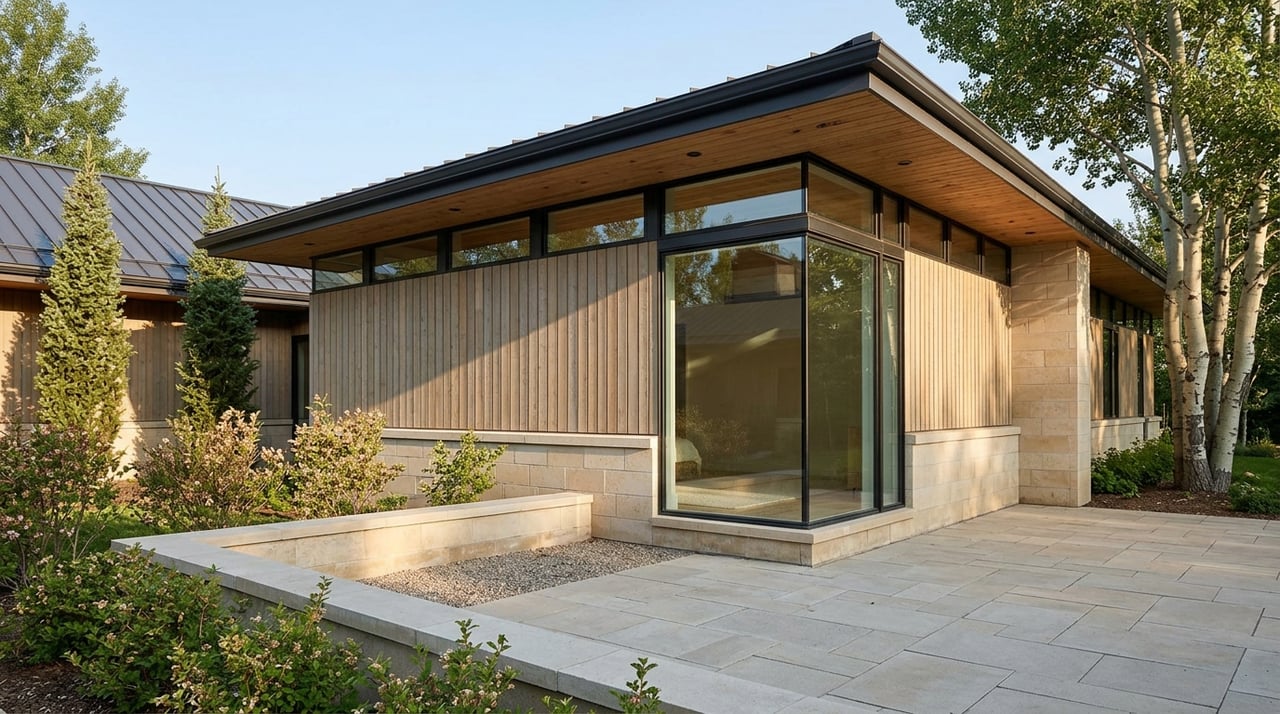
At the trophy level, visual presentation is not a finishing touch. It is part of the value story. Buyers in this category are often evaluating privacy, architecture, views, materials, and lifestyle just as much as square footage.
Stephanie’s website makes that priority clear through featured property videos, lifestyle shoots, and campaign-style presentation. Instead of relying on static listing photography alone, the marketing leans into editorial storytelling that helps a buyer understand how the property feels, not just how it measures.
Christie’s strengthens that approach because its own brand presentation connects luxury real estate with the visual language of art, design, and collecting. That is a natural fit for Aspen, where many trophy homes are being judged as both lifestyle assets and legacy holdings.
A well-produced campaign can highlight details that standard listing syndication often misses, including:
For the right property, this kind of visual storytelling helps justify premium pricing. It also helps attract qualified buyers who are looking for a specific lifestyle, not just a set of features.
Not every Aspen trophy estate should go live everywhere on day one. Public materials across Stephanie’s brand suggest a more curated launch approach, and that makes sense for this market.
A defensible strategy starts with asset creation and pricing validation. From there, outreach can begin privately through curated channels before broader public exposure is expanded. For many sellers, that sequencing offers more control and better alignment with privacy goals.
While each property is different, the process appears to prioritize:
This kind of sequence matters in Aspen because overexposure can work against a luxury listing. A measured rollout can preserve a sense of rarity while still reaching the right audience.
In many markets, maximum visibility is always the goal. In Aspen’s top tier, discretion often matters just as much. Some sellers want broad public exposure, while others prefer a quieter process that limits visibility and keeps control over who sees the property and when.
Stephanie’s brand is built around discreet, white-glove representation, and that matches what many trophy sellers want. It also serves buyers who are looking for on- and off-market opportunities that may never be widely advertised.
For both sides, discretion is not about doing less marketing. It is about doing more intentional marketing with stronger control over audience, timing, and message.
A global brand can open doors, but local knowledge closes the gap between attention and action. Aspen buyers do not just compare price per square foot. They compare setting, access, privacy, views, and how daily life differs from one submarket to the next.
That is why neighborhood fluency matters. A seller in West End needs different positioning than a seller on Red Mountain. A buyer considering East Aspen may also compare Woody Creek, Old Snowmass, or Snowmass Village depending on priorities around land, access, and privacy.
In that sense, Stephanie’s value is not only reach. It is the ability to translate Aspen’s micro-markets into a clear strategy that supports premium positioning.
If you own a trophy estate, the main takeaway is simple: your property should not be marketed like a standard home. Aspen’s top single-family segment is too rare, too segmented, and too sensitive to presentation for a one-size-fits-all approach.
The combination of Stephanie Lewis’s principal-led representation and Christie’s global luxury platform creates a marketing model built for that reality. You get local accountability, high-production storytelling, curated outreach, and international distribution, all working toward the same goal of protecting value and attracting the right buyer.
If you are considering selling an Aspen trophy estate and want a private, campaign-driven strategy tailored to your property, book a confidential consultation with Stephanie Lewis.
Stay up to date on the latest real estate trends.




She is enthusiastic, hardworking, discreet and is intimately familiar with the local real estate market. She has worked with a wide range of American and International clientele, spanning the world of finance, media, entertainment and real estate.